2026 Best Types of Crane on a Crane for Global Buyers
Choosing the right crane on a crane requires more than comparing lifting capacity and purchase prices. Global buyers must examine working height, outreach, rated load, transport limits, and site conditions. A compact knuckle boom crane may suit delivery trucks and restricted streets. A telescopic crane can offer faster extension for changing work zones. Heavy-duty configurations may support construction yards, ports, and industrial maintenance. Each option has practical strengths and clear limitations.
This guide introduces the best types of crane on a crane for global buyers in 2026. It compares structure, mobility, operating range, control systems, maintenance needs, and typical applications. Real purchasing decisions should also consider operator visibility, hydraulic performance, spare-part access, and supplier support. A strong specification on paper can still disappoint when local technicians cannot service the equipment. That lesson is easy to overlook.
Experienced buyers should request load charts, stability data, inspection records, and clear warranty terms. They should verify materials, welding quality, safety devices, and manufacturer testing procedures. Regional requirements may differ, so qualified engineers must review installation and operation plans. This article does not treat one design as universally superior. Site access, lifting frequency, weather, and budget can change the result. The final choice should balance productivity with safe, controlled operation. Small details matter. A missing sensor, weak hose connection, or unclear manual can create expensive delays. Reliable suppliers explain these risks openly and provide evidence for their recommendations.
Crane Basics: Purpose, Structure, and Main Operating Principles
2026 Best Types of Crane on a Crane for Global Buyers
Crane Basics: Purpose, Structure, and Main Operating Principles
A crane moves heavy loads through controlled lifting, travelling, and slewing. Its purpose is simple: place materials safely where workers cannot carry them. Common options include tower, mobile, overhead, and gantry cranes. Each type suits a different worksite, load pattern, and installation condition. A tower crane reaches high building levels, while an overhead crane serves repeated indoor lifting.
The main structure includes the boom or bridge, mast, trolley, hoist, wire rope, hook, counterweight, and control system. Brakes and limit switches help stop unwanted movement. During operation, the motor drives the hoist drum. The rope transfers force through the hook and load. The counterweight balances the machine, but it cannot correct poor load placement. Wind, uneven ground, and sudden starts can change crane behavior quickly. A common mistake is choosing by maximum capacity alone. Real performance also depends on lifting radius, duty cycle, power supply, and maintenance access.
Tips: Check the load chart before every lift. Keep the load centered under the hook. Inspect ropes, hooks, brakes, and controls regularly. Leave space for safe movement and future repairs. No setup is perfect. A careful review can still reveal overlooked risks, especially on crowded sites or temporary foundations.
Key Crane Types Used in Global Lifting Applications
Key Crane Types Used in Global Lifting Applications
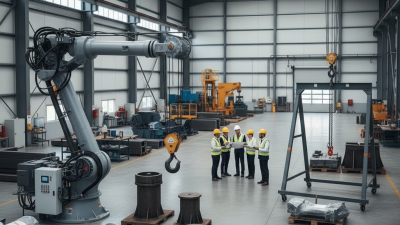
Overhead cranes serve factories, warehouses, and maintenance bays with fixed lifting paths. Their bridge travels along elevated rails, leaving floor space clear for vehicles and workers. An experienced engineer checks runway alignment, hook height, duty cycle, and building load capacity before selection. Small workshops may prefer a single-girder design, while heavier production lines often require double-girder construction.
Gantry cranes move loads across open yards, ports, and construction areas. Their legs run on rails or rubber tires, depending on site conditions. Mobile cranes offer faster relocation between lifting points, but ground bearing pressure needs careful assessment. Crawler cranes provide stability on soft or uneven ground, although transport planning becomes more demanding. Tower cranes remain useful for tall structures, where long outreach and controlled vertical lifting matter.
Jib cranes support repetitive lifting near workstations, loading areas, and machine centers. They reduce manual handling across short distances. The correct boom length, rotation range, and foundation strength are essential. Never rely on rated capacity alone. Load shape, wind, side loading, visibility, and sling angles can change the real risk. In field inspections, worn wire rope and unclear load charts often reveal weak maintenance habits. That detail is easy to miss. Some selection decisions also look correct on paper but fail beside a crowded work area. A site trial, documented inspection, and trained operator can expose those problems before regular lifting begins.
2026 Best Types of Cranes for Global Lifting Applications
Typical maximum rated lifting capacities of widely used crane types, shown in metric tonnes.
Crawler and gantry cranes are commonly selected for very heavy industrial, infrastructure, and modular construction lifts. Mobile cranes provide flexible transportation and setup, while tower cranes are optimized for high-rise construction and overhead cranes are widely used in factories and warehouses. Actual capacity depends on configuration, boom length, working radius, site conditions, and manufacturer specifications.
How to Match a Crane Type to Load, Site, and Work Conditions
2026 Best Types of Crane for Global Buyers
Choosing a crane begins with the load, not the catalogue. A 40-ton lift may need a mobile crane on firm ground, while repeated factory handling suits an overhead crane. A tower crane fits high-rise sites, but its foundation, wind exposure, and assembly space demand careful planning. Crawler cranes provide strong stability on soft ground, although transport costs can rise sharply.
Load radius matters as much as rated capacity. At greater reach, lifting capacity can fall quickly. Check the load chart, including hook blocks, slings, spreader beams, and other lifting accessories. The U.S. Bureau of Labor Statistics recorded 297 crane-related workplace deaths from 2011 to 2017, according to a CDC/NIOSH analysis. Many incidents involved contact, overload, or poor ground conditions. Site surveys are not optional.
Tips: Measure ground bearing capacity. Confirm wind limits. Record the heaviest lift and maximum radius. Match duty class to daily cycles, not occasional peaks. ISO 4301 classification helps compare crane duty requirements, while OSHA and ASME guidance support inspection and safe operation. Local rules still control.
A practical mistake is choosing the highest capacity crane “for safety.” It may create unnecessary transport, setup, and operating costs. Smaller cranes can be riskier when pushed near their limits. Recheck the plan with a qualified engineer, especially when the load swings near structures, roads, or overhead services. Experience helps, but assumptions fail.
Safety Standards, Inspection Needs, and Operator Requirements
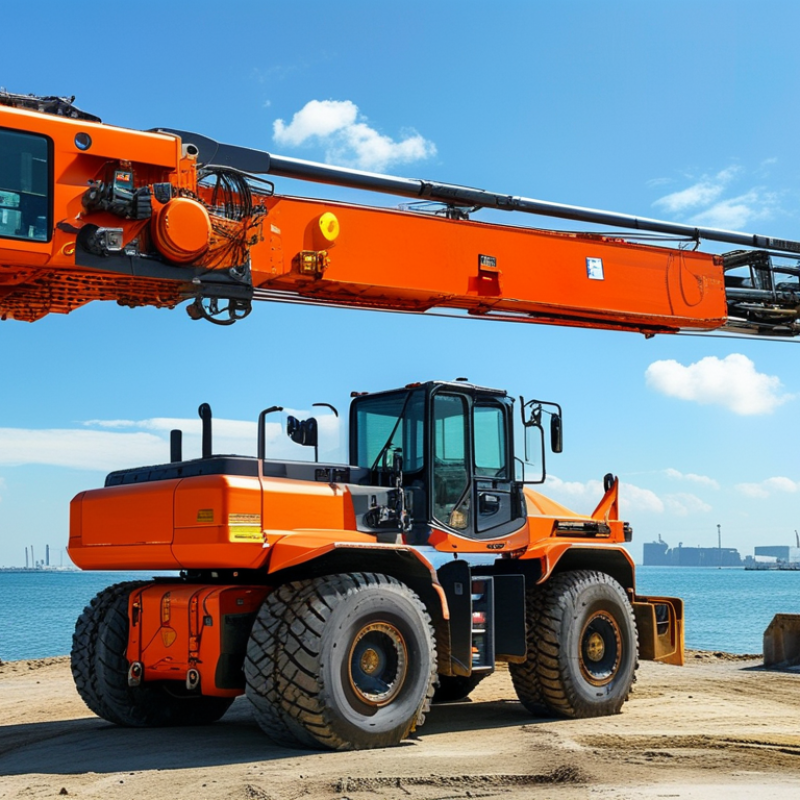
For global buyers, choosing a crane starts with its working risk, not its lifting capacity. A mobile crane may suit changing sites, while an overhead crane needs controlled travel paths. Rough-terrain cranes demand stable ground and clear visibility. The correct type depends on load charts, wind exposure, duty cycles, and available space. Capacity numbers alone can mislead. A crane rated for ten tonnes may lift less at a long radius.
Safety requirements should follow the destination country’s rules and the site’s risk assessment. Buyers should request load charts, conformity records, manuals, and maintenance history before shipment. Independent inspection should verify structural welds, wire ropes, hooks, brakes, limit switches, emergency stops, and overload protection. Inspectors should record identification data, test conditions, defects, and corrective actions. Do not accept vague certificates. A clean-looking machine can hide rope fatigue or hydraulic leaks. Pre-delivery checks help, but they are not permanent proof of safety. Weather changes everything. Wind limits should remain visible near the operator station.
Operators need documented training for the crane type, controls, signals, and local procedures. They should understand rated capacity, center of gravity, ground pressure, and exclusion zones. Practical assessment matters more than a classroom signature. A confident operator can still miss a side load during a rushed lift. That mistake is preventable, although checklists are not magic. Daily inspections should include unusual noise, damaged guards, fluid loss, and inaccurate indicators. Supervisors must stop work when conditions change. Good equipment still depends on disciplined decisions.