2026 Best Heavy Lift Cranes for Your Construction Needs?
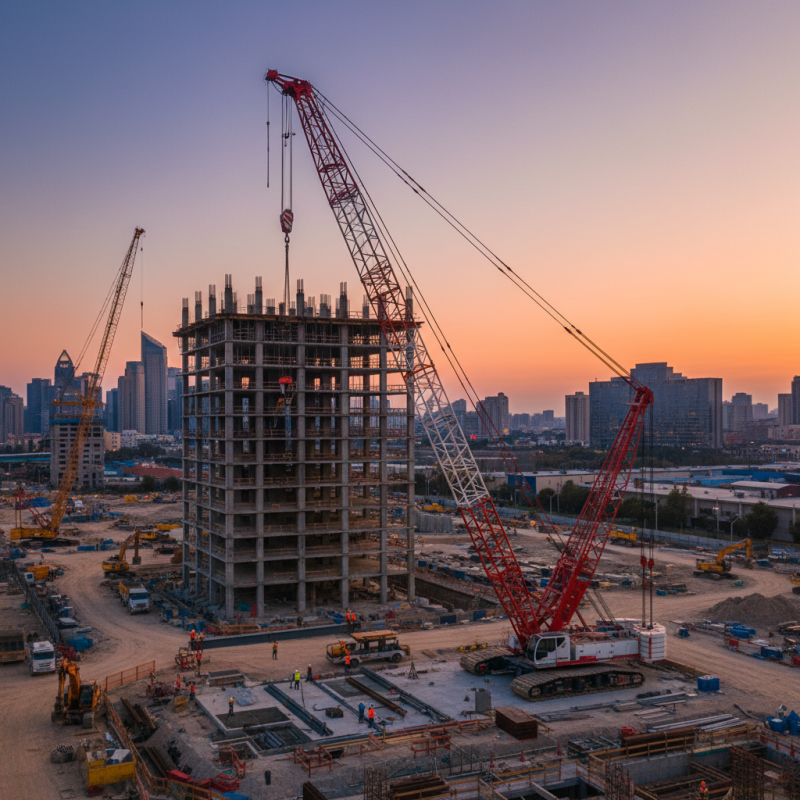
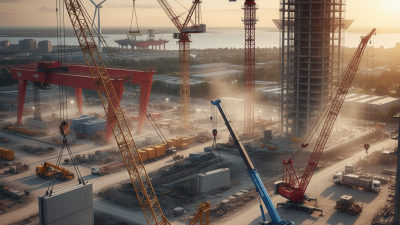
When tackling complex construction projects, heavy lift cranes are essential. These machines provide the strength needed for lifting and moving heavy materials. From steel beams to large equipment, a reliable crane is key to achieving project goals.
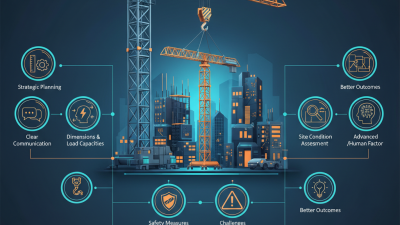
Choosing the right heavy lift crane can be daunting. The market offers various models, each designed for specific tasks. Some cranes excel in tight spaces, while others are better for maximum lifting capacity. It's crucial to assess your project requirements and site conditions before making a choice.
Sometimes, the perfect crane isn’t available. Delays and miscalculations can disrupt workflows. It’s important to reflect on these challenges to improve future operations. Investing in the right heavy lift crane can make or break your project timeline and budget.
Top Heavy Lift Crane Types for Construction Projects in 2026
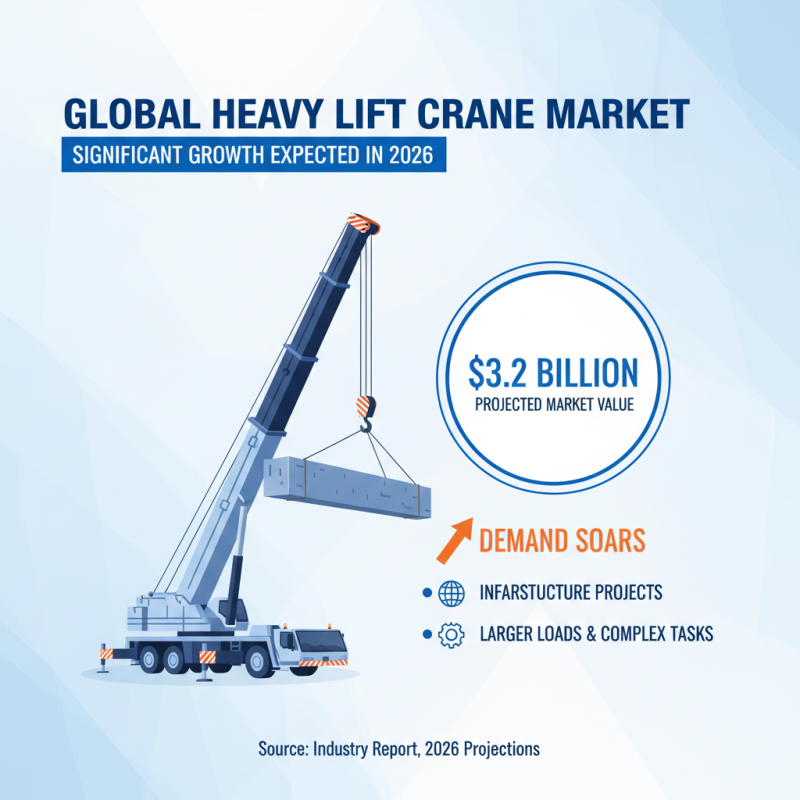
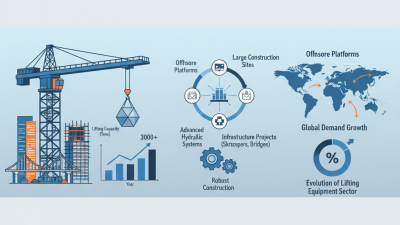
In 2026, the demand for heavy lift cranes is expected to rise significantly. The global heavy lift crane market is projected to reach $3.2 billion, according to a recent industry report. This growth is driven by increasing infrastructure projects around the world. Construction companies need efficient and powerful cranes to handle larger loads and complex tasks.
Several types of cranes are essential for construction projects. All-terrain cranes are versatile and can operate on various surfaces. They are ideal for sites that lack hard ground. Meanwhile, tower cranes are often the go-to choice for tall structures. They provide excellent height and load capacity, making them indispensable on skyscraper projects. However, the reliance on these specialized cranes raises questions. What if they break down? Maintenance plans are critical yet frequently overlooked.
Other notable styles include crawler cranes. They have a wide base and offer stability on uneven terrain. Their ability to lift heavy loads is unmatched. Still, the operational costs can be high. Companies must weigh the benefits against the financial impact. Reflecting on these choices is crucial for meeting project deadlines and budgets, but often this reflection comes too late. Balancing cost and capability will be a persistent challenge in 2026 and beyond.
Key Features to Consider When Selecting Heavy Lift Cranes
When selecting a heavy lift crane, several key features demand your attention. Capacity plays a vital role. A crane with a high lifting capacity can handle larger loads efficiently. According to industry reports, cranes with capacities exceeding 1,000 tons are becoming increasingly common in major projects. This capability allows contractors to execute complex tasks without compromising safety.
Reach is another crucial aspect. The crane's horizontal and vertical reach determines how far it can extend its lifting capabilities. A good heavy lift crane should offer adjustable boom lengths and be able to operate in confined spaces. In fact, many projects reported that cranes with a minimum boom length of 100 feet provided optimal flexibility on site.
Lastly, consider safety features. Advanced safety mechanisms, such as overload protection systems, are necessary to prevent accidents. Approximately 30% of crane-related incidents stem from inadequate safety protocols, underscoring the need for robust systems. Investing in cranes equipped with the latest safety technology is essential for reducing risks on construction sites. There is still much room for improvement in crane safety standards across the industry.
2026 Best Heavy Lift Cranes for Your Construction Needs
Comparative Analysis of Leading Brands in Heavy Lift Cranes
When evaluating heavy lift cranes, a thorough comparative analysis is vital. Recent reports indicate that the heavy lift crane market will reach $20 billion by 2026. This sector has shown steady growth due to rising demands in construction and infrastructure. Factors such as lifting capacity, operational efficiency, and reliability play critical roles in determining the best options for contractors.
Research highlights that cranes with a lifting capacity exceeding 500 tons are gaining traction. Models in this range can handle larger structures with precision. Data suggests that poorly maintained equipment can lose up to 20% of lifting capacity, which raises crucial safety concerns. Operators must also consider the crane's versatility in various environments, including urban areas and offshore locations, where space and conditions vary greatly.
User feedback often points out the struggle with training operators on advanced systems. Many cranes today feature complex technology, which can be a barrier to effective use. Certain models offer user-friendly interfaces, but others have steep learning curves. The challenge lies in balancing innovation with accessibility. Performance metrics reveal that operators with adequate training can enhance productivity by 15%. It’s essential to invest not only in equipment but in the development of skilled personnel to optimize crane operations.
Safety Standards and Regulations for Heavy Lift Crane Operations
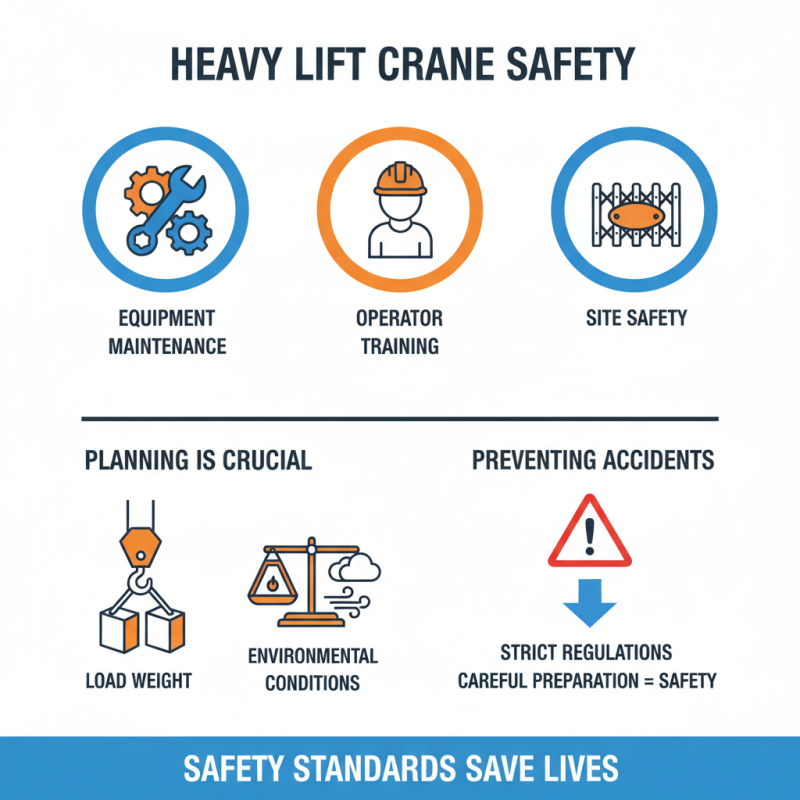
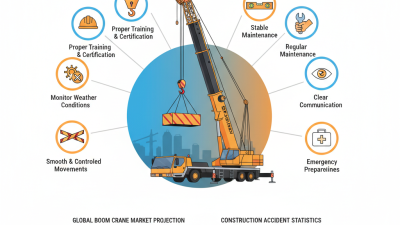
Heavy lift cranes play a crucial role in construction, but safety standards are essential. Operators must adhere to strict regulations to prevent accidents. These standards cover various aspects, including equipment maintenance, operator training, and site safety measures. Each lift must be carefully planned, taking into account load weight and environmental conditions. Inadequate preparation can lead to oversights.
Regular inspections are mandated to ensure that cranes are in peak condition. Operators should perform daily checks before use. They must understand load charts and weight limits clearly. However, human error can happen. Misjudgments often arise from inexperience or poor communication. It’s vital to foster a culture of safety—where concerns can be raised without hesitation.
Accidents can have devastating consequences. A thorough understanding of safety regulations can mitigate risks. Training programs should be ongoing, not just initial. Workers need to stay updated on new practices and technologies. This continuous learning helps create a safer work environment and reinforces a commitment to safety.
Future Trends in Heavy Lift Crane Technology and Design
The heavy lift crane industry is rapidly evolving. New technologies are reshaping design and functionality. According to a recent report by ResearchAndMarkets, the heavy lift crane market is expected to grow at a CAGR of 5.4% from 2023 to 2028. This surge reflects increasing demand for larger lifts in industrial projects.
A notable trend is the integration of automation and telematics. These features enhance safety and efficiency on job sites. Construction firms are increasingly adopting data analytics to monitor crane performance. Real-time data helps operators make informed decisions. However, there are challenges. Many workers require training to adapt to these advanced systems.
Another significant trend is the push for sustainability. Manufacturers are designing cranes that consume less fuel. Electric and hybrid models are emerging, promising reduced emissions. The International Energy Agency notes that construction contributes 39% of energy-related carbon emissions. Reducing this footprint is crucial. Yet, the transition may require time and investment. It is a complex situation that presents both risks and opportunities for industry players.
2026 Best Heavy Lift Cranes for Your Construction Needs
| Crane Model |
Max Lifting Capacity (Tons) |
Operating Range (Meters) |
Weight (Tons) |
Key Features |
| Model A |
120 |
50 |
75 |
Advanced stabilization system, Remote control |
| Model B |
200 |
70 |
100 |
Hybrid power, Enhanced maneuverability |
| Model C |
150 |
60 |
85 |
Modular design, Smart controls |
| Model D |
250 |
80 |
120 |
High capacity, Automated safety checks |
| Model E |
180 |
65 |
95 |
Eco-friendly, Versatile configurations |