2026 Top Lifting Crane Innovations and Trends to Watch Out For?
In the dynamic world of construction, lifting cranes play a crucial role. Innovations in lifting crane technology are reshaping the industry. As we look ahead to 2026, several trends are emerging that could significantly impact how cranes are used on job sites.
The integration of smart technology is a notable trend. Advanced sensors and software enhance safety and efficiency. However, many operators struggle to adapt to these new tools. With automation creeping into various sectors, the lifting crane industry must balance tradition and innovation. Some companies may resist change, leading to operational inefficiencies.
Additionally, sustainability is becoming a priority. Eco-friendly cranes have begun to surface. These machines often reduce emissions and fuel consumption. Yet, the initial cost can deter adoption. As we explore 2026, the lifting crane landscape will be defined by these innovations. Each development presents both opportunities and challenges, prompting reflection on past practices. The future of lifting cranes is poised for transformation, but readiness will be essential for industry players.
Emerging Automation Technologies in Lifting Crane Operations for 2026
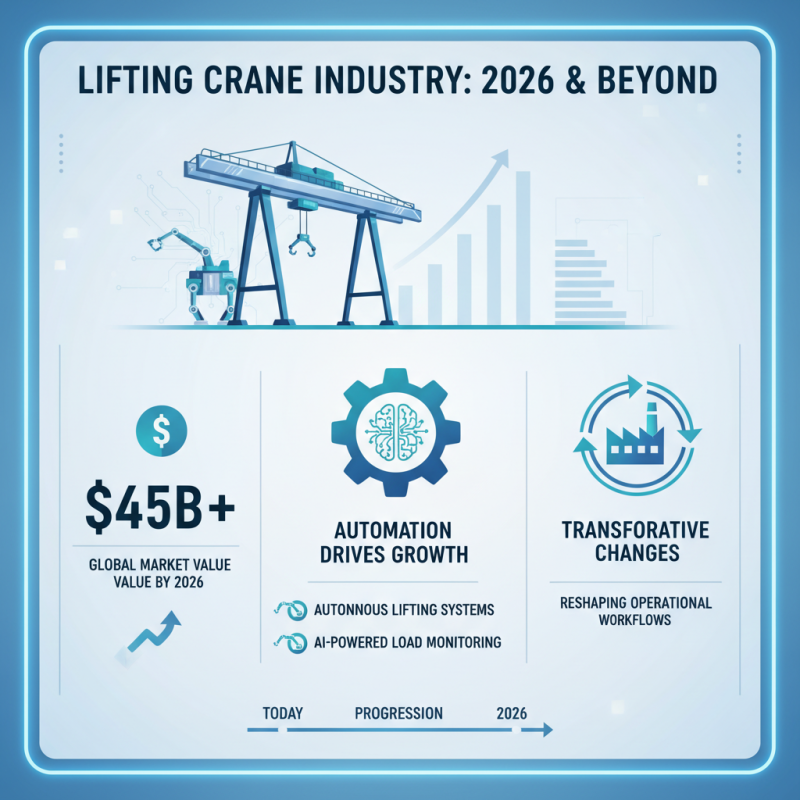
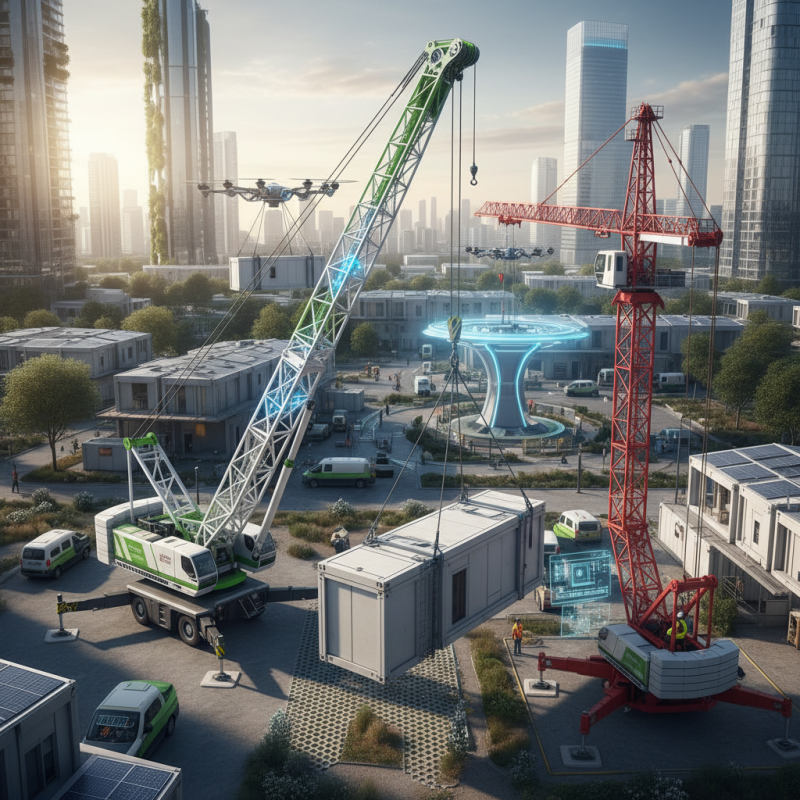
As we approach 2026, the lifting crane industry is poised for transformative changes spurred by emerging automation technologies. Reports indicate that the global crane market is expected to surpass $45 billion by 2026, with automation playing a critical role in this growth. Innovations such as autonomous lifting systems and AI-powered load monitoring are gradually reshaping operational workflows.
Automation can enhance safety and efficiency, but challenges remain. Up to 30% of crane operations still rely on manual control. Industry experts emphasize a need for training workers to adapt to new technologies. While automation reduces human error, it also raises concerns about job displacement. The balance between technological advancement and workforce impact is a crucial discussion for stakeholders in the industry.
Moreover, integration of Internet of Things (IoT) technology enables predictive maintenance, potentially reducing downtime by 20-25%. However, the initial investment in these technologies can be prohibitive for some firms. Without careful planning, businesses may find themselves struggling with cost overruns and integration issues. This potential disconnect between vision and execution presents an ongoing challenge to crane operators leading into 2026.
Sustainability Trends Shaping the Crane Industry: Eco-friendly Innovations
The crane industry is at a turning point. Eco-friendly innovations are becoming essential. Many companies are exploring ways to reduce their carbon footprint. Electric cranes are gaining traction. These machines can operate without fossil fuels, promoting cleaner construction sites. Battery technology is advancing, allowing longer operating times.
Recycling materials is another trend. Using repurposed steel in crane manufacturing can lower environmental impact. However, the challenge lies in ensuring quality and safety. Sustainable practices are not just about technology; they require a mindset shift throughout the industry. Training workers in eco-friendly operations is vital.
Yet, there are hurdles to overcome. Initial costs for sustainable cranes can be high. Not all companies are ready for the change. Some are hesitant about the long-term benefits. The road to sustainability is often filled with obstacles. Each step taken, however small, counts towards a greener future. Embracing eco-friendly innovations will pave the way for a more sustainable crane industry.
Advancements in Safety Features: Reducing Risks in Lifting Operations
As the lifting crane industry evolves, advancements in safety features take center stage. A recent report by the International Organization for Standardization highlights that more than 60% of crane accidents are linked to inadequate training and safety measures. Innovations like automatic load management systems have emerged to address these concerns. These systems ensure that cranes operate within their safe load limits, greatly reducing the risk of accidents.
Another trend in safety advancements is the integration of advanced sensor technologies. These sensors can detect potential hazards in real-time, alerting operators before accidents occur. A study from the American Society of Safety Engineers found that cranes with real-time monitoring systems have a 40% lower accident rate. This significant reduction emphasizes the need for modern cranes to include such critical safety features.
Tips for improving safety include regular training sessions for operators to stay current with safety protocols. Ensure thorough inspections are conducted before each lift. Also, consider implementing routine drills for emergency situations. These simple steps can further enhance safety standards and reduce risks in lifting operations. Small adjustments can lead to significant improvements in workplace safety.
Integration of IoT and Smart Technologies in Crane Management Systems
The integration of IoT and smart technologies in crane management systems is transforming the industry. Advanced sensors collect real-time data on load weight, crane position, and even environmental conditions. This data is then analyzed to optimize operations and safety. For instance, predictive maintenance alerts can prevent potential failures before they happen. Imagine a scenario where a crane stops working mid-project due to lack of maintenance. Costs skyrocket, and timelines suffer.
On-site personnel can receive notifications directly to their devices through these smart systems. It enhances communication and improves decision-making. However, technology can sometimes be overwhelming. Operators may struggle to adapt to new tools, leading to confusion or mishaps. Training is essential but often neglected. Utilizing cloud-based platforms can streamline data access, but they also introduce risks, such as cybersecurity threats. Balancing innovation with practical applications will be key for businesses in the future.
2026 Top Lifting Crane Innovations and Trends to Watch Out For
| Innovation Trend |
Description |
Impact on Industry |
Adoption Year |
| IoT Integration |
Enhanced monitoring and control through internet connectivity. |
Increased efficiency and reduced downtime. |
2026 |
| Smart Management Systems |
Real-time data analytics for improved decision making. |
Better resource allocation and safety management. |
2026 |
| Automated Lift Systems |
Robotic and automated systems for lifting and positioning. |
Reduction in labor costs and minimized human error. |
2025 |
| Enhanced Safety Features |
Advanced sensors and alarms for crane operation safety. |
Decreased accident rates and improved compliance. |
2026 |
| Eco-friendly Lifting Solutions |
Use of sustainable materials and energy-efficient technologies. |
Reduced environmental impact and lower operational costs. |
2025 |
Market Analysis: Forecasting the Growth of Lifting Crane Innovations Through 2026
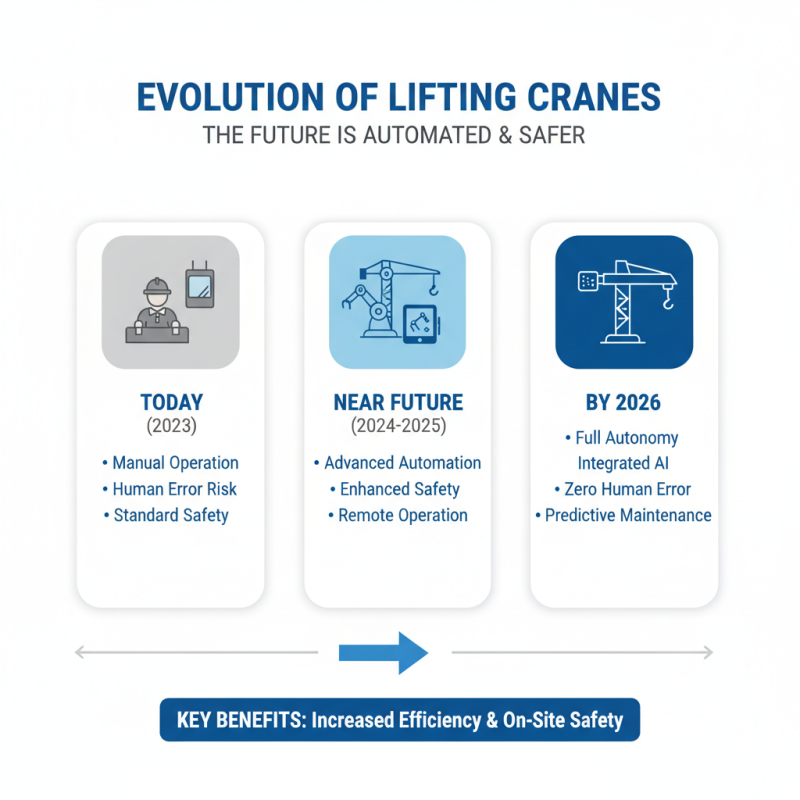
The lifting crane industry is on the brink of significant evolution. Innovations in technology promise to reshape how these machines operate. By 2026, we expect advanced automation and improved safety features to dominate the market. These enhancements aim to reduce human error and increase efficiency on job sites.
While forecasts show promising growth, challenges remain. Market leaders must focus on sustainable practices. Environmental concerns are growing, and construction is no exception. Adapting to greener technologies can help attract ethically conscious clients. The integration of smart technologies is essential. However, the initial costs can be daunting. Companies must balance innovation with careful budgeting.
**Tips:** Embrace change cautiously. Research thoroughly before investing in new technologies. Engage with your team about potential adaptations. Most importantly, don’t overlook training. Proper education on new systems is vital to maximize their potential on-site.