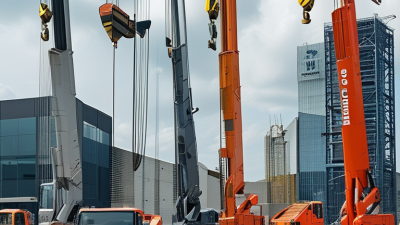

What Is the Best Lifting Crane Manufacturer in China?
Choosing the best lifting crane manufacturer in China requires more than comparing prices or catalog photographs. A reliable decision begins with the worksite. Consider lifting capacity, duty cycle, span, lifting height, operating temperature, and available power. A crane handling steel coils needs different engineering from one serving a warehouse. Small details matter.
Anders Svensson, President and CEO of Konecranes, has said, “Safety is at the heart of everything we do.” That principle applies across China’s lifting crane industry. Strong manufacturers should provide tested designs, traceable components, clear load charts, and practical maintenance guidance. Their engineers should explain overload protection, braking systems, emergency stops, and inspection access without hiding behind technical language. Ask for factory records. Request reference projects. Visit the workshop, if possible.
The best manufacturer is rarely the cheapest supplier. It is the company that remains dependable after installation. Response time matters when a hoist stops beside a busy production line. Spare-parts availability matters even more. So does training for operators and maintenance teams.
This comparison will examine Chinese manufacturers through engineering quality, certifications, customization, after-sales support, delivery performance, and total ownership cost. No ranking can fit every application. That is an uncomfortable limitation. A respected brand may still be unsuitable for a corrosive coastal site or a demanding foundry. Buyers should verify current certifications, service capacity, and project references before signing. Some evidence may be incomplete. Careful judgment remains essential.
China’s Lifting Crane Manufacturing Industry at a Glance
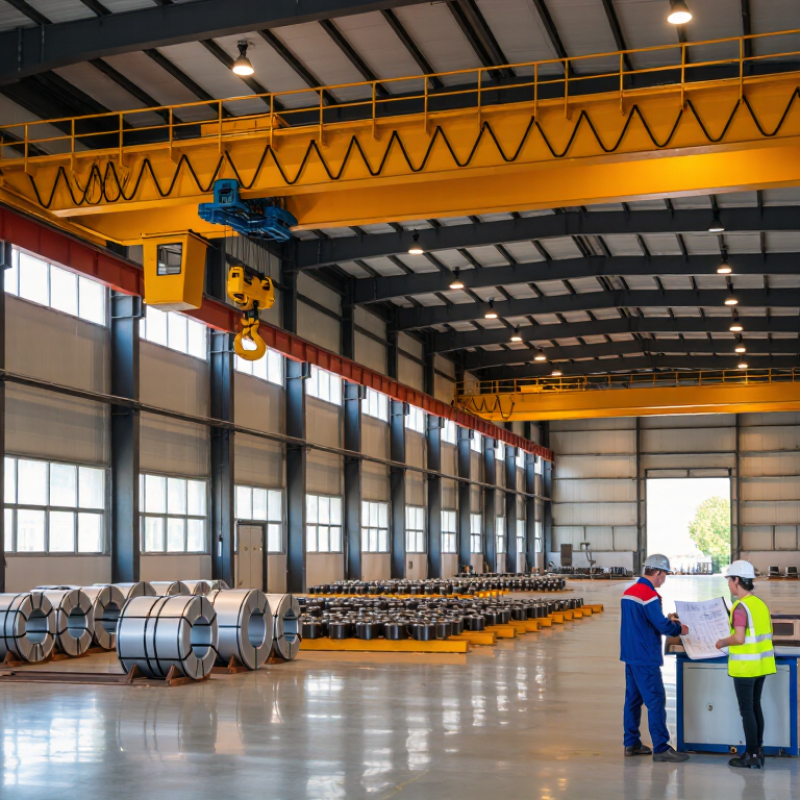
China’s lifting crane manufacturing industry is large, export-oriented, and increasingly technical. The China Construction Machinery Industry Association reported approximately RMB 917.8 billion in construction machinery industry revenue in 2023. Cranes form an important, though separately measured, part of this ecosystem. National Bureau of Statistics data also shows China remains a major manufacturing base, with industrial output continuing to expand in 2024.
The best manufacturer is not simply the one offering the lowest quotation. Buyers should examine rated load charts, fatigue-test records, welding procedures, spare-parts availability, and commissioning support. A 50-ton crane may look impressive on paper. Yet its performance depends on duty class, lifting frequency, wind conditions, and site layout. ISO 4301 classifications can help compare crane working intensity. Reports from the International Organization for Standardization also support using documented safety and quality systems during supplier evaluation.
Tips: Request third-party inspection before shipment. Check the serial plate against test certificates. Ask for actual references from similar ports, factories, or construction sites. Do not rely only on catalog photographs. They can hide practical limitations. Energy consumption deserves attention, too. The International Energy Agency identifies industrial efficiency as a continuing priority, making regenerative drives and variable-frequency controls worth reviewing. My experience suggests that supplier communication often matters more than a small price difference. Still, delivery promises are not always reliable. Buyers should verify production schedules, inspection dates, and after-sales response times in writing.
Key Criteria for Evaluating the Best Crane Manufacturer in China
What Is the Best Lifting Crane Manufacturer in China?
Key Criteria for Evaluating the Best Crane Manufacturer in China
Choosing China’s best lifting crane manufacturer requires more than comparing quoted tonnage. Start with verified engineering capability. According to Fortune Business Insights’ 2024 Global Crane Market report, the market reached approximately USD 36.4 billion in 2023. This growth increases supplier competition, but price alone cannot prove reliability. Review ISO 9001 certification, welding procedures, component traceability, and documented load-testing records. Ask for evidence.
A capable manufacturer should provide drawings, duty-class calculations, inspection plans, and a clear factory acceptance test. Standards such as ISO 4301, EN 13001, and applicable Chinese GB requirements help assess design and safety consistency. Request real project references with similar span, lifting capacity, working environment, and operating hours. Examine the control cabinet, rope drum, brakes, and end-carriage alignment during a factory visit. Small details matter. Industry reports from Research and Markets also identify modernization and infrastructure investment as major crane-market drivers, making after-sales support increasingly important. Spare-parts availability, remote diagnostics, technician response time, and training deserve written commitments.
Tips: Compare total ownership cost, not only the purchase price. Check warranty exclusions carefully. Require independent inspection before shipment. I would not trust polished brochures without test records. No checklist is perfect. A practical evaluation should include site conditions, operator feedback, and maintenance history. Even experienced buyers can overlook corrosion protection in humid coastal projects. That mistake becomes expensive later.
What Is the Best Lifting Crane Manufacturer in China?
Key Criteria for Evaluating the Best Crane Manufacturer in China
The chart presents a practical procurement weighting model for comparing lifting crane manufacturers. Safety compliance and equipment reliability receive the highest weights because they directly affect operational risk, uptime, and regulatory acceptance. Buyers should adjust the weighting according to load capacity, duty class, operating environment, certification requirements, and after-sales support needs.
Leading Chinese Crane Manufacturers and Their Product Strengths
Choosing the best lifting crane manufacturer in China requires more than comparing prices. The right supplier should match the crane to your workload, site layout, lifting height, and operating environment. Chinese manufacturers offer overhead cranes, gantry cranes, jib cranes, and electric hoists for factories, warehouses, ports, and construction sites.
Product strength often begins with engineering flexibility. Many manufacturers can adjust span, lifting capacity, control systems, and protection levels for specific projects. A well-designed overhead crane may use welded box girders, variable-speed drives, and reinforced end carriages. These details can reduce sway and improve positioning near production lines. Gantry cranes provide practical coverage in open yards. Jib cranes suit smaller workstations and repetitive handling.
Look beyond the catalog. Ask for load calculations, welding procedures, component specifications, and factory inspection records. Reliable manufacturers should explain testing methods clearly, including overload tests, brake checks, and emergency-stop verification. Technical support also matters after delivery. Installation guidance, operator training, spare parts, and maintenance documents can prevent costly downtime. No supplier is perfect. Some impressive proposals still hide vague service terms or delayed component availability. That deserves careful questioning.
In my view, the strongest Chinese crane manufacturers combine customization with disciplined quality control. They listen to actual working conditions, not just requested tonnage. A dusty workshop, limited headroom, or frequent starts can change the correct design. Compare engineering evidence, communication speed, and long-term support before making a decision. Price matters, but reliability carries the load.
How to Compare Quality, Safety, Technology, and Service
What Is the Best Lifting Crane Manufacturer in China?
How to Compare Quality, Safety, Technology, and Service
Choosing a lifting crane manufacturer requires more than comparing prices. Quality begins with steel traceability, accurate welding, and documented load testing. Ask for material certificates, inspection records, and drawings that match the delivered crane. A factory visit can reveal useful details, such as organized welding stations, calibrated testing equipment, and protected electrical cabinets. Small details matter.
Safety should remain non-negotiable. Compare overload protection, emergency stops, limit switches, braking systems, and operator visibility. The manufacturer should provide risk assessments, maintenance instructions, and evidence of testing against applicable local requirements. Do not accept impressive claims without records. A crane may look solid while hiding weak documentation.
Technology should solve a real operating problem. Variable-frequency drives can improve starting control, while remote monitoring may help track faults and usage. However, extra features are not automatically better.
Service often separates a dependable supplier from an average one. Check commissioning procedures, operator training, spare-parts availability, and promised response times. Speak with previous customers about actual support, not sales presentations.
A practical comparison table can score quality, safety, technology, and service separately. I have found that delivery communication deserves its own line. It is easy to overlook. No evaluation is perfect. A second technical review may expose assumptions, especially when site conditions, duty cycles, or local standards change.
Choosing the Right Chinese Crane Manufacturer for Your Project
What Is the Best Lifting Crane Manufacturer in China?
Choosing the Right Chinese Crane Manufacturer for Your Project
The best Chinese crane manufacturer depends on your project, not on a sales ranking. Start with the lifting capacity, span, lifting height, duty cycle, and working environment. A crane for a dusty steel plant needs different protection from one used inside a clean warehouse. Share accurate site drawings and load data before requesting a quotation. Vague information creates expensive changes later.
Review the manufacturer’s engineering process and production records. Ask for load calculations, welding inspection reports, material certificates, and testing procedures. A reliable supplier should explain how each crane is assembled, painted, tested, and commissioned. Check whether the control system, brakes, wheels, and motors match your operating conditions. Small parts matter. Ask about spare-part availability and response times before signing any agreement.
Price deserves attention, but it should not lead the decision. In procurement reviews, a low quotation can hide weak documentation, limited training, or difficult maintenance. I would not pretend every factory communicates perfectly; technical questions sometimes reveal gaps. Request a factory video, independent inspection, and references from projects with similar loads. Confirm the warranty terms in writing. Also discuss installation support, operator training, and emergency service. A manufacturer that listens carefully may be safer than one offering the fastest promise.
What Is the Best Lifting Crane Manufacturer in China? - Choosing the Right Chinese Crane Manufacturer for Your Project
| Evaluation Dimension | Typical Industry Benchmark | What to Verify from the Manufacturer | Importance for Project Selection |
|---|---|---|---|
| Product Range | Overhead cranes, gantry cranes, jib cranes, electric hoists, and customized material-handling systems. | Confirm that the supplier regularly manufactures the exact crane type, lifting configuration, and operating environment required. | A focused product match usually reduces design changes, commissioning risks, and spare-parts complexity. |
| Rated Load Capacity | Light-duty systems may handle below 5 tonnes, while industrial crane systems commonly cover 5–100 tonnes or more. | Request load charts, maximum wheel loads, hook load calculations, and proof that the design includes the required safety factors. | The selected capacity must cover both the heaviest load and the dynamic effects of lifting, starting, stopping, and positioning. |
| Span and Lifting Height | Common workshop spans are approximately 10–35 m, with lifting heights often between 6–20 m; larger projects may exceed these ranges. | Check building dimensions, runway alignment, hook approach, headroom, clearance, and required lifting height. | A technically suitable crane can still be unusable if its hook path or structural clearances do not fit the facility. |
| Work Duty Classification | Duty classifications commonly range from light intermittent use to heavy, frequent industrial operation; ISO 4301 and FEM classifications are widely used. | Verify daily operating hours, lifting frequency, average load spectrum, starts per hour, and the proposed ISO or FEM duty class. | Choosing a duty class below the actual workload can shorten service life and increase maintenance costs. |
| Design Standards | Common references include ISO, FEM, EN, GB/T, and other applicable national or regional standards. | Ask for the design standard list, calculations, welding procedures, electrical diagrams, and compliance documentation for the destination market. | Clear standards alignment supports safe operation, inspections, customs clearance, and local regulatory approval. |
| Structural Fabrication | Quality fabrication should include controlled steel preparation, qualified welding, dimensional inspection, surface treatment, and traceable materials. | Review material certificates, welding procedure qualifications, welder qualifications, non-destructive testing records, and paint specifications. | Fabrication quality directly affects structural reliability, alignment, fatigue resistance, and long-term corrosion protection. |
| Hoisting and Travel Controls | Variable-frequency drives, overload protection, limit switches, emergency-stop circuits, and controlled acceleration are common safety features. | Confirm control voltage, control mode, speed settings, braking method, anti-collision requirements, and compatibility with the site power supply. | Proper controls improve load positioning, reduce mechanical shock, and support safer operation. |
| Electrical Compatibility | Industrial power supplies often use three-phase AC systems such as 380–415 V at 50 Hz, but local requirements vary. | Confirm voltage, frequency, phase configuration, grounding method, enclosure rating, cable routing, and required electrical certifications. | Electrical mismatch can cause commissioning delays, component failure, or non-compliance at the installation site. |
| Factory Quality Control | A reliable production process should include incoming-material inspection, in-process checks, final assembly inspection, and functional testing. | Request a quality plan, inspection and test plan, calibration records, final inspection checklist, and photographic or video evidence where appropriate. | Documented quality control is more dependable than relying only on product photos or general sales claims. |
| Load and Functional Testing | Testing normally includes no-load operation, limit-switch checks, brake checks, travel tests, and rated-load or specified proof-load testing. | Confirm the test procedure, acceptance criteria, calibrated instruments, test certificates, and whether factory or site testing is included. | Testing verifies that the completed crane performs as designed before shipment or handover. |
| Customization Capability | Typical customizations include span, lifting height, duty class, ambient temperature, explosion protection, corrosion protection, control method, and rail layout. | Evaluate engineering drawings, calculation capability, design revision control, and experience with unusual loads or restricted installation spaces. | Customization is essential when standard catalog dimensions cannot meet the building, process, or safety requirements. |
| Delivery and Installation | Standardized equipment may have shorter production cycles, while large customized cranes require additional engineering, fabrication, testing, and logistics time. | Request a milestone schedule covering drawing approval, procurement, fabrication, inspection, shipment, installation, and commissioning. | A detailed schedule helps coordinate civil works, electrical preparation, lifting equipment, and production downtime. |
| Documentation Package | A complete package may include manuals, drawings, wiring diagrams, spare-parts lists, certificates, inspection records, and maintenance instructions. | Confirm document language, format, revision status, delivery timing, and whether operation and maintenance training materials are included. | Accurate documentation simplifies installation, operator training, inspections, troubleshooting, and future upgrades. |
| After-Sales Support | Support may include remote technical assistance, commissioning guidance, spare-parts supply, troubleshooting, and field service subject to contract terms. | Verify response times, service coverage, spare-parts availability, escalation procedures, and responsibility for travel and on-site labor. | Effective support reduces downtime and is particularly important for continuous-production facilities. |
| Warranty Terms | Industrial crane warranties are commonly specified for a defined period from shipment, delivery, installation, or commissioning, depending on the contract. | Check warranty duration, covered components, exclusions, claim procedures, spare-parts responsibilities, and required maintenance conditions. | A clear warranty protects the buyer from misunderstandings about defects, wear parts, and installation-related issues. |
| Total Cost of Ownership | The purchase price is only one part of the cost; energy use, maintenance, spare parts, inspections, downtime, installation, and operator training also matter. | Compare lifecycle costs, motor efficiency, brake and wheel replacement intervals, control-system availability, maintenance access, and expected service requirements. | The best manufacturer is the one that delivers the required safety, performance, reliability, and support at an acceptable lifecycle cost. |
Related Posts
-
7 Best Lifting Crane Manufacturers for Global Buyers?
-
How to Lift More With a Crane Safely?
-
Why Is Crane Lifting Capacity Important for Global Buyers?
-
China Top 10 Lifter Crane Manufacturers for Global Buyers
-
7 Best Lifting Cranes for Efficient Heavy Lifting in 2023
-
How to Choose the Right Lifter Crane for Your Project Needs?