
How to Choose the Best Steel Plant Crane for Your Needs?
Choosing the best steel plant crane is crucial for the efficiency of operations. Steel plants require reliable lifting equipment. According to the report by the International Journal of Engineering and Technology, the global crane market is expected to grow by 6.7% annually. This growth highlights the increasing demand for effective material handling systems in steel production.
Industry expert Dr. George Lamont once stated, "Choosing the right steel plant crane impacts productivity and safety." His insights shed light on how selecting the appropriate crane enhances operational success. Factors such as capacity, height, and design play significant roles in this decision-making process.
However, the selection process can be overwhelming. Different projects have unique requirements, and there’s no one-size-fits-all solution. Planning a budget is essential, yet safety features must not be compromised. Finding a balance requires careful consideration and expertise, making it imperative to consult with specialists. Reliable information and experience can help mitigate risks in choosing the right steel plant crane.
Understanding the Different Types of Steel Plant Cranes Available
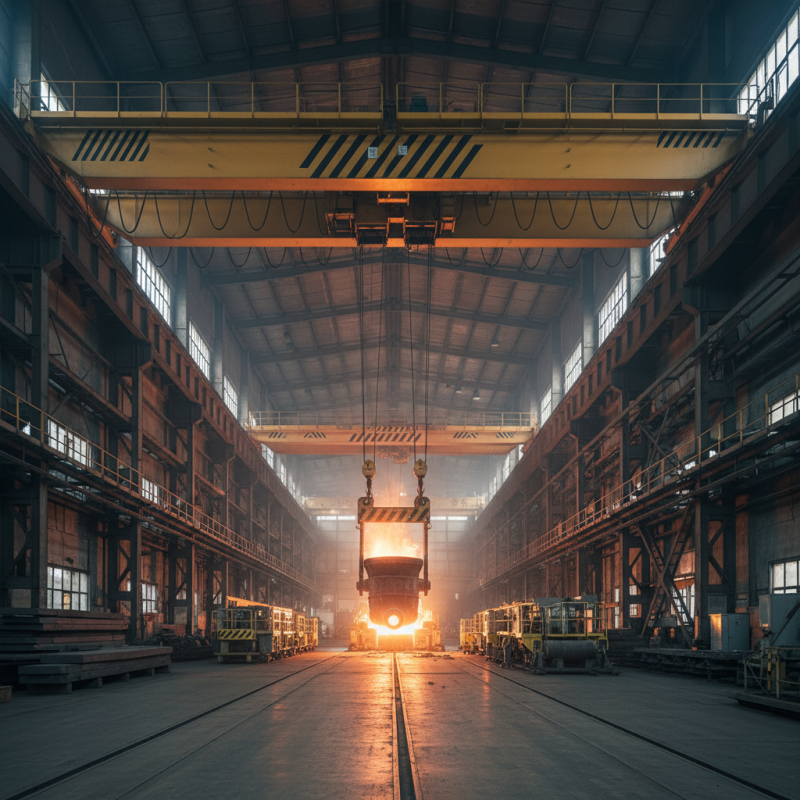
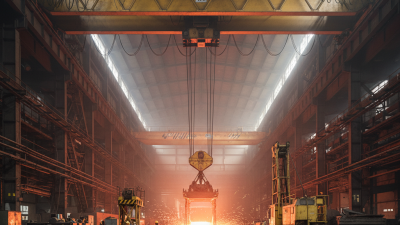
When selecting the right crane for a steel plant, understanding the types available is key. Two popular options are overhead cranes and gantry cranes. Overhead cranes are mounted on beams high above the workspace. This design allows for efficient movement of materials throughout the facility. Gantry cranes, on the other hand, move along tracks at ground level. They are more versatile but may require more floor space.
According to industry reports, overhead cranes can handle loads ranging from 5 to 50 tons effectively. Their lifting heights can also reach up to 30 meters. However, they can be costly to install and maintain. Gantry cranes generally have lower initial costs but can struggle with heavy lifting. They are suitable for outdoor environments, often operating in shipyards and construction sites.
Selecting the best crane depends on specific operational needs. Factors like space, load requirements, and budget all play crucial roles. While it's tempting to choose the most powerful crane, the cost of installing heavier models can add up. Always weigh the pros and cons to ensure the chosen crane meets both current and future demands. Reviewing past performance metrics can guide these decisions effectively.
How to Choose the Best Steel Plant Crane for Your Needs?
| Crane Type | Load Capacity | Span Length | Height of Lift | Best Use Case |
|---|---|---|---|---|
| Overhead Crane | 1-200 tons | 10-100 ft | 20-50 ft | General manufacturing, assembly lines |
| Gantry Crane | 1-100 tons | 10-60 ft | 10-30 ft | Outdoor applications, shipping yards |
| Jib Crane | 0.5-15 tons | 6-20 ft | 8-16 ft | Localized material handling, workshops |
| Mobile Crane | 10-1000 tons | Variable | Variable | Construction sites, heavy lifting |
| Link Belt Crane | 20-100 tons | Variable | Variable | Urban construction projects |
Evaluating Load Capacity Requirements for Your Steel Plant Crane
When selecting a crane for your steel plant, evaluating load capacity is crucial. The crane must be able to handle specific weights safely and effectively. Industry reports indicate that around 30% of accidents in steel plants are due to inadequate load management. Understanding your maximum load requirements prevents such mishaps.
Tips: Calculate the total weight of materials you transport daily. Include the weight of any additional equipment attached to the loads. Consider that steel plates can weigh between 1,000 to 10,000 pounds depending on thickness and size.
Take time to analyze your operational needs. For instance, if your plant shifts to heavier loads, you may need a different crane capable of supporting such demands. A lack of proper load evaluation can lead to operational inefficiencies. Ensure that your crane choice aligns with both current and future load requirements. Engage with crane professionals to refine your decisions based on the latest industry standards.
Assessing the Span and Lift Height Needed for Your Operations
Choosing the right crane for a steel plant is vital for optimizing operations. Assessing both span and lift height is crucial. The span indicates the distance between support structures. This must align with the layout of your facility. A wide span often requires a more robust crane. Think about the materials and loads you typically handle.
Lift height is equally important. It determines how high loads can be raised for storage or delivery. Elevation needs may differ based on production requirements. For example, if your processes require high stacks, a higher lift height is necessary. Conducting a feasibility study can help. Evaluate your current setup and anticipated future needs.
Consider the working conditions as well. Cranes must operate safely within specific environments. Dusty or humid conditions might impact crane performance. Also, internal obstacles can pose challenges during operation. Visually inspect the area before making a decision. Reflecting on these factors can improve crane selection, ensuring it meets your operational needs.
Comparison of Steel Plant Cranes Based on Span and Lift Height
Factors to Consider for Crane Durability and Maintenance Needs
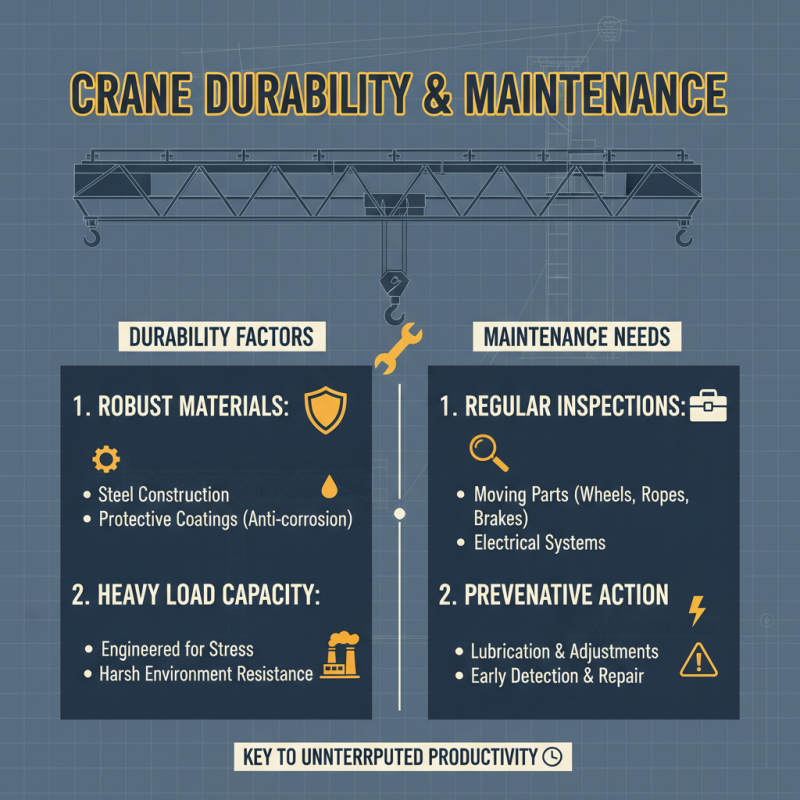
When selecting a steel plant crane, durability is a primary concern. The crane's materials should withstand harsh environments and heavy loads. Steel and robust coatings can enhance longevity. Regular maintenance is vital for preventing breakdowns. This includes checking wear and tear on moving parts. Small issues can escalate if neglected, impacting productivity.
Tips: Regular inspections can catch problems early. Schedule these frequently to avoid downtime. Train staff on maintenance procedures. Empower your team to identify concerns quickly.
Consider the crane’s operating environment. High temperatures or corrosive materials may require specific designs. A standard model may not suffice. Think about ease of access for maintenance. Complicated setups can hinder routine checks. Simple designs could save time and effort.
Tips: Develop a checklist for maintenance tasks. Use it consistently to manage schedules. Engage with experienced technicians for insights. Their expertise can enhance your approach.
Budgeting and Cost Analysis for Purchasing a Steel Plant Crane
When budgeting for a steel plant crane, consider the total cost of ownership, not just the initial purchase price. According to industry reports, maintenance costs can account for up to 25% of the total expense over the crane's lifespan. Therefore, understanding the long-term financial commitment is crucial.
Tips: Assess the maintenance requirements of different crane models. Frequent, costly repairs can lead to unexpected budget strain.
Beyond the price, think about operational efficiency. Cranes with advanced features can improve productivity but may come at a premium. A study by the Metal Crane Association indicates that investing in higher-quality cranes may reduce downtime by 30%.
Tips: Calculate potential savings from efficiency improvements. Sometimes a higher initial investment leads to increased profitability.
Keep in mind, overlooked expenses can arise from installation and training. Ensure these costs are included in your budget. Failing to do so might disrupt your project timeline. It’s essential to evaluate your facility's unique needs and plan for variability in budget estimations. Be prepared for unexpected challenges that could affect your costs.
Related Posts
-
10 Essential Tips for Operating a Telescopic Crane Safely and Efficiently
-
2026 Best Heavy Lift Cranes for Your Construction Needs?
-
How to Choose the Right Steel Plant Crane for Your Needs?
-
Best Crane Lifting Techniques for Safe Operations
-
What is a Boom Crane? Understanding Its Types, Uses, and Benefits
-
Top 10 Tips for Effective Crane Lifting Techniques and Safety Best Practices