How to Choose the Right Lifter Crane for Your Needs?
Choosing the right lifter crane can be a daunting task. The options available may seem overwhelming. Different models serve various purposes. You need to consider your specific needs.
Think about the load capacity. It’s crucial to know the weight you’ll be lifting. Each lifter crane has a limit. Selecting one that’s inadequate can lead to accidents. Size matters too. A crane that’s too large may not fit your workspace. Meanwhile, a smaller crane might fail to do the job.
Also, consider the features you require. Some lifter cranes come with advanced controls. Others may focus on simplicity. Reflect on how often you'll use it. If it's a daily tool, investing in quality makes sense. However, a temporary need may call for a more economical choice. Remember, the right lifter crane elevates efficiency and safety.
Understanding Different Types of Lifter Cranes and Their Functions
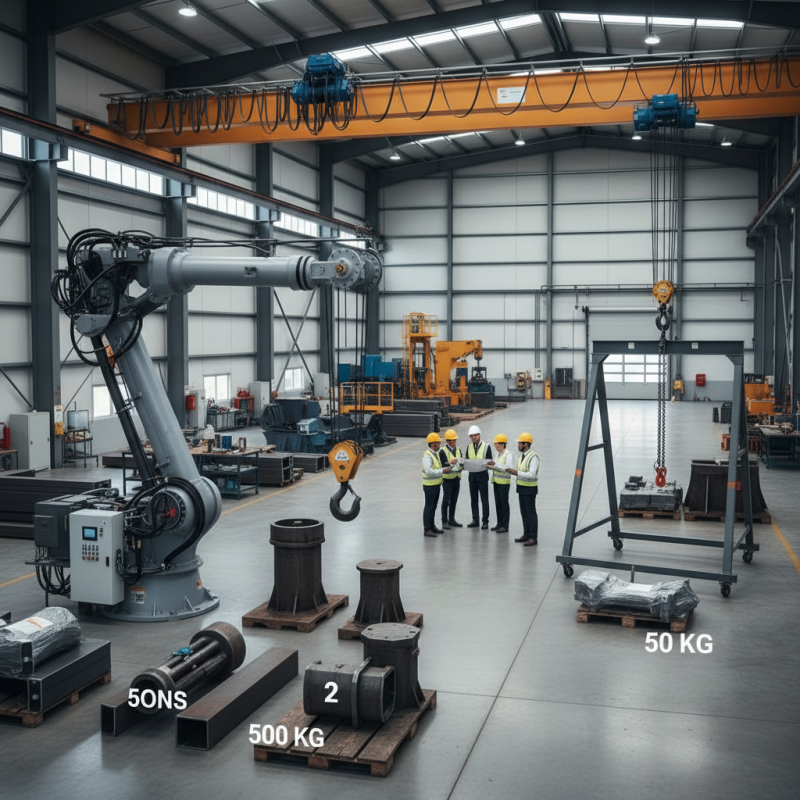
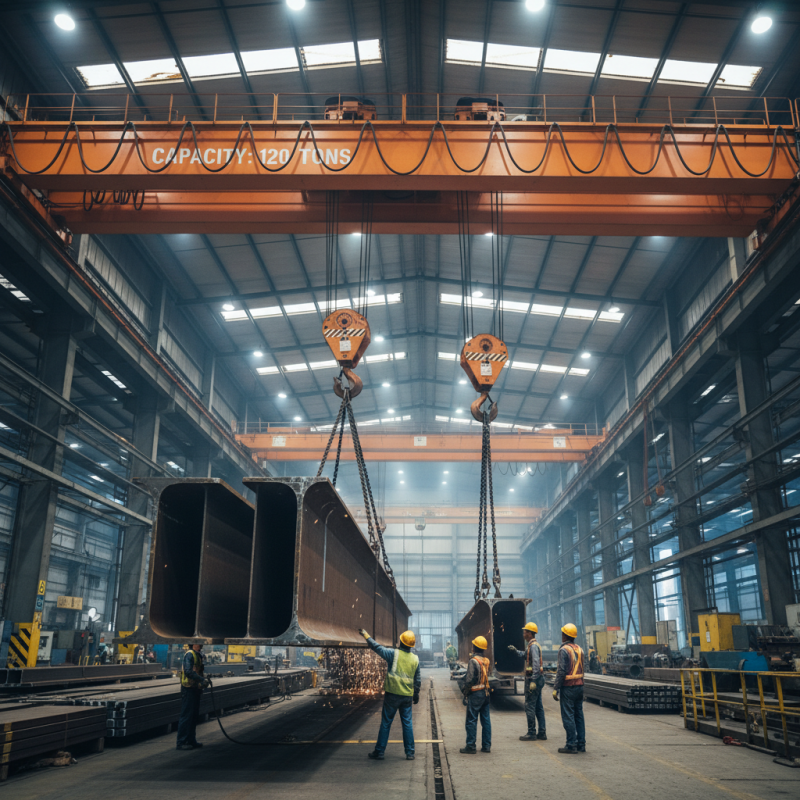
Choosing the right lifter crane requires understanding the various types and their specific functions. The most common type is the overhead crane. These cranes are mounted on beams and can lift heavy loads with ease. They glide along a track, allowing for precision in maneuvering. However, they can be expensive and require significant installation space.
Another popular option is the mobile crane. These cranes are versatile and can be moved easily from one site to another. They are ideal for construction projects where space is limited. However, their lifting capacity can sometimes be a drawback. They may not handle the heaviest loads as efficiently as other types.
Lastly, consider the articulated crane. This type can navigate tight spaces and lift objects at various angles. It's perfect for urban environments. But, its complexity means that operators need proper training. The choice ultimately depends on the specific requirements of your tasks. Reflect on the space you have and the weight of the loads you need to lift. This may save you time and money in the long run.
Assessing Your Load Requirements and Lifting Capacity
When selecting a lifter crane, understanding your load requirements is crucial. According to industry reports, around 70% of equipment failure stems from inappropriate load handling. Thus, knowing your specific lifting needs can prevent costly damages and accidents. Consider both the weight of your materials and their dimensions. Heavier loads may need cranes with higher lifting capacities, typically rated in tons. The average lifting capacity for standard cranes can range from 1 ton to over 50 tons.
Evaluating the workspace is equally important. Tight areas may limit your crane options, leading to frustrations. Reportedly, up to 40% of construction delays are due to equipment mismatches. Ensure the crane's reach aligns with the operational area. Overhead clearance must be assessed, as obstructions can impact safety. In practical terms, a crane with a lifting capacity of 10 tons may not perform effectively in an area with insufficient elevation. Keep in mind that underestimating load requirements can lead to serious safety issues. Always review your operational needs against the crane's specifications to make an informed choice.
Evaluating Crane Features and Specifications
Choosing the right lifter crane involves evaluating its features carefully. Load capacity is crucial. Most cranes can lift between 2 to 30 tons. Depending on the project, assess whether you need a higher capacity. Portable models may only lift smaller weights but offer flexibility for different job sites.
Boom length is another factor. Cranes with longer booms can reach greater distances, essential for construction sites with obstacles. Data shows that cranes with a boom length of 30 meters can effectively reduce the number of necessary lifts. However, longer booms may compromise stability, which is a critical point to reflect on when making your choice.
Additionally, consider the control systems. Manual control offers precision but can be cumbersome for complex jobs. Conversely, automated systems enhance efficiency but might complicate repairs. According to industry reports, up to 20% of crane accidents relate to operator errors. This statistic highlights the importance of training and the choice of controls in enhancing safety and efficiency on site.
Choosing the Right Lifter Crane: Features Comparison
Considering Mobility and Accessibility Factors
When choosing a lifter crane, mobility and accessibility are crucial factors. A recent industry report highlights that up to 30% of crane failures stem from impractical mobility. A crane’s size and design must allow for easy transportation. Portable models are often favored for tight spaces or uneven terrain. Operators should consider whether the crane can navigate through doorways or narrow aisles.
Accessibility also impacts operational efficiency. A study indicates that over 25% of work delays are attributed to setup challenges. Cranes with adjustable heights or flexible configurations can significantly reduce these delays. Operators need to assess location constraints, including overhead obstructions. The crane should maneuver easily in various environments, whether indoors or outdoors.
Lastly, training is essential. Operators must be familiar with the crane's mobility features. Inadequate training can lead to accidents and downtime. Safety protocols should be established to maximize the benefits of a lifter crane. Hence, while mobility and accessibility are vital, they come with responsibilities. Reflections on past experiences can inform better decisions moving forward.
Calculating Budget and Long-term Investment in Lifter Cranes
When selecting a lifter crane, budget considerations are crucial. Initially, determine how much you can allocate. Different cranes come with varying price tags. A basic model may be affordable, but it might lack the durability you need. Investing a bit more can ensure reliable operation over the years.
Consider long-term costs beyond the initial purchase. Maintenance plays a significant role in the overall expense. Some cranes require frequent servicing, while others are low-maintenance. Research user reviews to gauge true longevity. Ask yourself, are you willing to risk higher costs for lower initial investments? Reflecting on this can lead to a more informed decision.
Also, think about the crane’s operational demands. Heavy-duty tasks might need more robust models, which typically cost more. Visualize your lifting needs; this will help in aligning budget with functionality. Be cautious of hidden fees, such as shipping or setup costs. A thorough calculation can prevent unexpected financial strain later on.
How to Choose the Right Lifter Crane for Your Needs?
| Lifter Crane Type |
Max Load Capacity (tons) |
Operating Range (m) |
Estimated Cost ($) |
Maintenance Frequency (months) |
Long-term Investment (years) |
| Electric Lifter |
3 |
10 |
15,000 |
12 |
10 |
| Hydraulic Lifter |
5 |
12 |
25,000 |
10 |
12 |
| Diesel Lifter |
7 |
15 |
35,000 |
6 |
8 |
| Rough Terrain Lifter |
10 |
20 |
50,000 |
8 |
15 |