How to Choose the Right Lifter Crane for Your Project Needs?
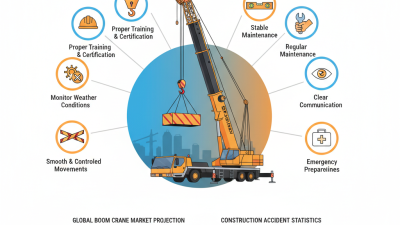
Choosing the right lifter crane for your project requires careful consideration. A lifter crane can make a significant difference in efficiency and safety on-site. Each project has unique needs that impact which type of lifter crane to use.
When selecting a lifter crane, think about the weight and size of the loads you will handle. Take into account the height and reach needed. Different cranes have various capacities and features. If the crane is too small, you risk accidents. If too large, you waste resources.
Consider the terrain and workspace. Some cranes perform well on rugged ground, while others are designed for smooth surfaces. Your project’s environment plays a crucial role. Reflecting on past experiences with cranes can guide your choice. What worked? What didn’t? Making informed decisions will enhance your project’s success.
Types of Lifter Cranes and Their Applications
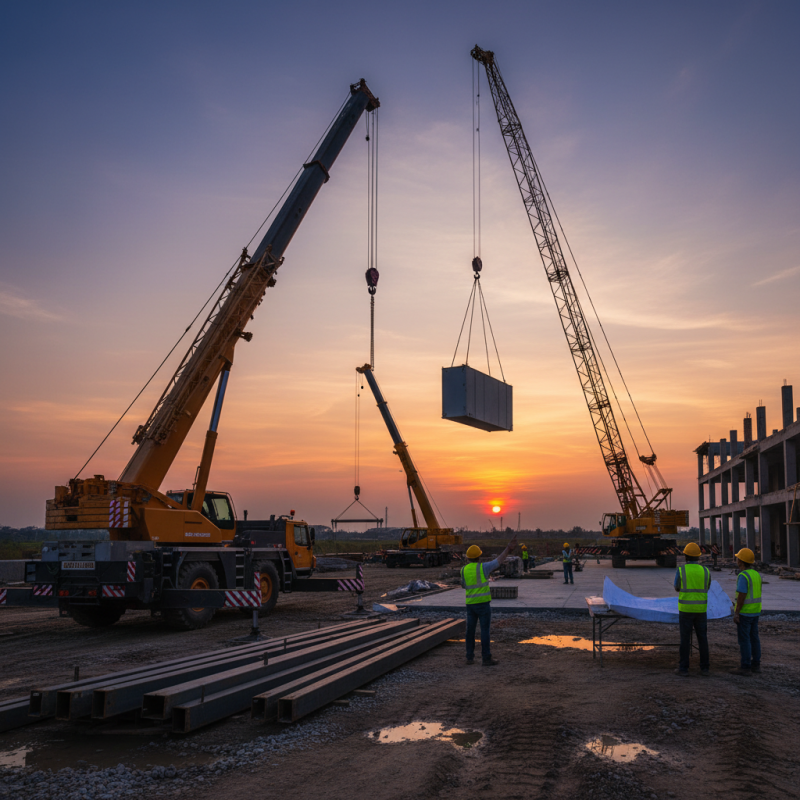
When selecting a lifter crane, understanding the types and their applications is crucial. Various lifter cranes exist, each designed for specific tasks. For instance, mobile lifter cranes are versatile. They can move easily to different job sites. These cranes are ideal for outdoor projects and can lift heavy materials conveniently.
On the other hand, indoor lifter cranes are tailored for factories and warehouses. They operate with precision in confined spaces. These cranes typically have lower lifting capacities but offer excellent maneuverability. They can handle smaller loads efficiently. Sometimes, confusion arises when trying to choose the right crane. The project's requirements can change, affecting the choice. It's essential to evaluate all factors.
Some projects may require specialized lifter cranes. These could be hydraulic lift cranes or tower cranes for tall structures. Consideration for safety is essential. No crane is one-size-fits-all. Each option has pros and cons. It's beneficial to reflect on past experiences with different cranes. Learning from those can guide future decisions.
Key Factors to Consider When Selecting a Lifter Crane
Choosing the right lifter crane requires careful consideration of several key factors. The load capacity is one of the most crucial criteria. According to industry data, cranes with a lifting capacity of up to 10 tons are common for small to medium projects, while larger projects may demand cranes capable of lifting 25 tons or more. Misjudging the load can result in accidents, so it’s vital to accurately assess the weight of the materials being handled.
Another important aspect is the working height. Cranes vary significantly in their reach. Many projects, especially in construction, may require cranes that extend beyond 50 feet. Not all cranes are equipped for such heights. Additionally, consider the frequency of use. If the crane will be required for multiple shifts every day, investing in a more durable and reliable model is wise. Frequent breakdowns can lead to costly delays and inefficiencies.
Finally, site conditions can't be ignored. The terrain can impact crane performance. Uneven ground can pose stability issues. Reports indicate that inadequate site assessments lead to 30% of crane-related accidents. Selecting the right lifter crane is not just a financial decision; it affects safety and project timelines. Reflecting on these factors during the selection process is critical for successful outcomes.
How to Choose the Right Lifter Crane for Your Project Needs?
| Factor |
Description |
Considerations |
| Load Capacity |
The maximum weight the crane can lift. |
Ensure the crane's capacity exceeds the project's required load. |
| Height Reach |
The maximum vertical distance the crane can reach. |
Assess the project's height requirements effectively. |
| Mobility |
How easily the crane can be relocated on site. |
Consider ground condition, crane type (mobile vs. static). |
| Setup Time |
Time required to assemble the crane. |
Evaluate project timelines and deadlines. |
| Operating Environment |
Conditions under which the crane will operate. |
Identify factors like temperature, wind, and site layout. |
| Features |
Additional functionalities (e.g., remote control, safety features). |
Determine which features are necessary for your project safety and efficiency. |
Evaluating Load Capacity and Reach Requirements
Choosing the right lifter crane requires a deep understanding of load capacity and reach requirements. Every project is unique. The amount of weight the crane needs to lift greatly affects decision-making. For instance, a small project may only require a crane with a capacity of 5 tons. However, larger projects could escalate this need to 20 tons or more. Assessing the weight of materials is crucial. Underestimating this can delay a project significantly.
Reach is another vital consideration. Do you need to lift materials to a high elevation? Or across a long distance? The crane’s boom length will determine its reach. For example, a crane with a 30-foot reach may not suffice for tall buildings. Analyze the workspace dimensions carefully. Cranes often have limitations based on their design. Ensuring that you can maneuver the crane without constraints is important.
Sometimes, people focus too much on numbers. They overlook the environment and site conditions. A heavy crane may not perform well on soft ground. Conversely, a lightweight option might struggle with heavy loads. It’s essential to balance capacity, reach, and site conditions. Make adjustments to the plan when necessary. Reflect on past projects and learn from those experiences. Proper planning can avert potential issues down the line.
Choosing the Right Lifter Crane: Load Capacity and Reach Requirements
This chart displays the load capacity and reach of various types of lifter cranes, helping you evaluate which model suits your project needs best.
Assessing Terrain and Site Conditions for Crane Use
When evaluating terrain and site conditions for crane use, several factors come into play. Understanding the
ground stability is crucial.
Soft or uneven ground may require additional support.
Assess how much weight the soil can bear. Conduct soil tests where necessary. This reduces risks during lifting operations.
Consider overhead obstacles.
Trees, power lines, and buildings can limit crane movement. You need a clear path for both setup and operation.
Inspect the site for these hazards before choosing a crane. It might be necessary to plan for
alternative routes or even temporary removals.
Wind conditions also influence crane operation.
High winds can make lifting dangerous.
Monitor forecasts closely. Sometimes, this may mean rescheduling your project.
Additionally, think about access points for the crane.
Narrow roads or steep inclines could hinder transport. This requires careful planning to ensure smooth access on site.
Budgeting and Cost Considerations for Crane Selection
When selecting a lifter crane, budgeting plays a crucial role. A recent industry report highlights that crane costs can range from $15,000 to $1 million, depending on specifications. It's vital to assess project size and lifting requirements. For smaller projects, a light-duty crane may suffice. Larger or heavier loads would require heavy-duty models, driving up costs significantly.
Operational costs also impact the budget. Maintenance expenses can account for up to 10% of total expenditure. Allocating funds for regular inspections is essential. Additionally, operators must consider fuel consumption. A crane's efficiency can influence long-term budget values. For instance, cranes with advanced technology may have higher upfront costs but lower operational costs over time.
While seeking the best option, it's easy to overlook hidden costs. Rental fees for cranes can accumulate quickly. Transporting equipment to and from job sites also adds to expenses. Additionally, training for operators may require further investment. Buyers must reflect on how these factors align with their overall project goals and financial constraints. It’s a balancing act between initial price and long-term investment.