Tips for Choosing the Right Crushing Screening Plant?
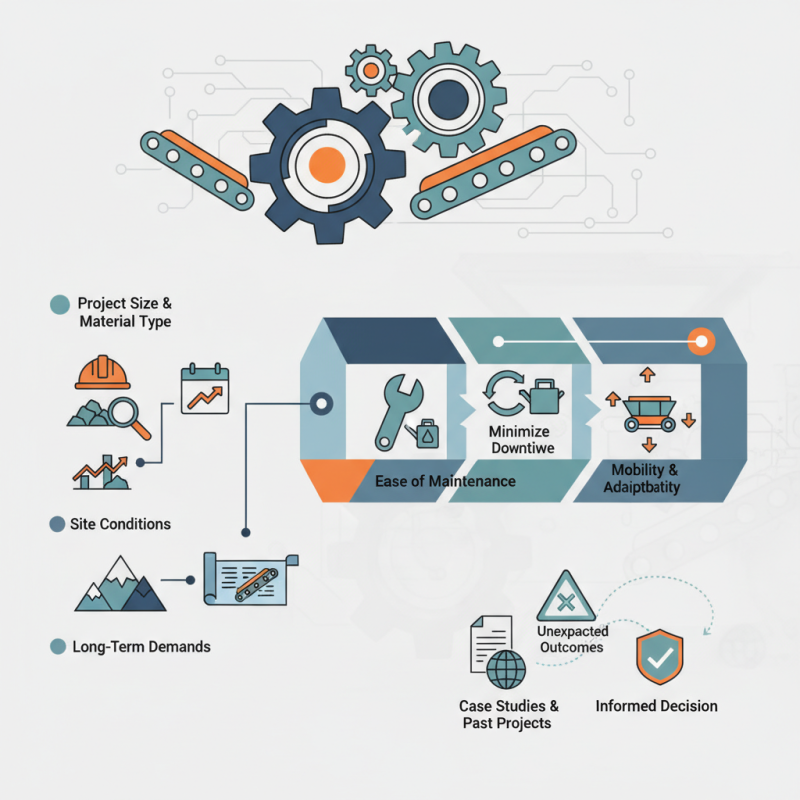
Selecting the right crushing screening plant is crucial for any construction or mining project. The right equipment can significantly enhance productivity and efficiency. However, choosing the ideal plant can be a daunting task. Many factors come into play, including project size, material type, and site conditions.
Experience in the industry provides valuable insights. Knowing which features matter can make a difference. For example, ease of maintenance and mobility are often overlooked but vital. An effective crushing screening plant should minimize downtime and adapt to various environments.
It’s also essential to consider the long-term implications. Will the equipment still meet future demands? Investing in a versatile plant can save money down the line. Despite good recommendations and expert opinions, some choices may not work as expected. Always assess past projects and gather case studies to support your decision. This reflection helps avoid common pitfalls in equipment selection.
Identifying Your Crushing and Screening Needs
Choosing the right crushing and screening plant begins with a clear understanding of your project needs. Are you handling large volumes of materials? Will you require mobility? These critical questions will guide your decision-making process. Consider the type of materials you’ll process. Different materials demand different equipment features, like jaw crushers or impactors.
Tips for selecting your equipment include assessing your site conditions. For example, if your site has limited space, a compact unit may be ideal. Evaluate the crushing capacity needed to meet your production goals. Remember, failing to match equipment to your output requirements can lead to inefficiencies.
Think about maintenance and support as well. Some plants require more frequent servicing, which can affect your schedule. Always research the reliability of the equipment. Reading user reviews and talking to operators can provide valuable insights. Each decision should be informed by thorough research, focused on optimizing your operation while managing costs effectively.
Evaluating Different Types of Crushing and Screening Equipment
When selecting crushing and screening equipment, understand the type of material you will handle. Different materials require different processing techniques. For example, hard materials may need jaw crushers. Softer materials could benefit from impact crushers. Evaluating these options can lead to better efficiency and reduced wear on equipment.
Consider the scale of your operation. Mobile units are convenient for smaller sites but may lack the capacity of fixed plants. Evaluate the space available and the volume of material you expect to process. It's important to match the equipment size with your specific needs.
Don't overlook the importance of maintenance. Some machines require more upkeep than others. This can affect both operational costs and downtime. Investing in user-friendly equipment may save you from complicated repairs. Take time to review your options thoroughly and consult with industry experts when needed.
Assessing Site Conditions and Material Characteristics
When evaluating site conditions for a crushing and screening plant, start by assessing the terrain. Understanding the topography is crucial. Hilly or uneven ground can complicate equipment placement. Flat sites typically allow for easier access and mobility. Soil stability is another key factor. Loose or sandy soil may require additional support for heavy machinery.
Next, consider the materials you will be processing. Different materials require distinct handling and crushing methods. For example, hard rock demands robust equipment and more energy, while softer materials might not. Testing material characteristics is essential for choosing the correct plant setup. Analyzing the material’s density, size, and moisture content provides vital data. This helps in predicting wear on machinery and overall processing effectiveness.
Another aspect to reflect on is the logistics of the site. Access roads and transportation routes influence operations significantly. If the site is remote, transporting equipment can become more challenging. Moreover, environmental considerations must be factored in. Local regulations about noise, dust, and waste management will affect your choices. Balancing these elements requires careful planning and flexibility. Reflection on previous site evaluations can guide better decisions in future projects.
Tips for Choosing the Right Crushing Screening Plant
Considering Budget and Operational Costs
When choosing a crushing screening plant, understanding budget and operational costs can significantly influence your decision. According to industry reports, operational costs can account for up to 70% of the total lifecycle expenses of crushing and screening equipment. This statistic highlights the importance of not only purchasing the equipment but also factoring in its ongoing costs.
A detailed analysis of budget can uncover hidden expenses. For instance, fuel consumption and maintenance often exceed initial projections. In fact, maintenance costs alone can represent about 15%-20% of total expenditures. Selecting equipment that offers efficient fuel consumption and lower wear rates can lead to substantial savings.
It is crucial to balance quality with cost. While lower-priced models may seem attractive initially, they might attract higher operational costs due to inefficiencies or downtime. Data suggests that plants with better technology and improved design often have lower total ownership costs. Reflecting on these aspects can help operators make more informed decisions, ultimately leading to a more sustainable and profitable operation.
Tips for Choosing the Right Crushing Screening Plant
| Dimension | Description | Considerations | Estimated Costs (in USD) |
| Initial Investment | The upfront cost for purchasing the equipment. | Evaluate various models and their features. | 50,000 - 500,000 |
| Operational Costs | Costs associated with running the plant, such as fuel, labor, and maintenance. | Consider efficiency ratings and fuel consumption. | 15,000 - 100,000 annually |
| Maintenance Requirements | Frequency and type of maintenance needed to keep the plant operational. | Check for service availability and warranty options. | 5,000 - 30,000 annually |
| Power Efficiency | How much power the plant consumes relative to its output. | Look for energy-efficient models. | Variable based on models |
| Resale Value | The estimated value when the equipment is sold after usage. | Consider depreciation rates and market demand. | 20% - 50% of initial investment |
Researching Manufacturers and After-Sales Support Options
When choosing a crushing and screening plant, researching manufacturers is vital. A reliable manufacturer ensures quality and efficiency. According to industry reports, over 40% of users cite machine reliability as their primary concern. Selecting a manufacturer with a proven track record is essential. Look for those with extensive experience in the sector; their history often reflects their ability to deliver.
After-sales support is equally critical. It includes maintenance, repairs, and access to spare parts. A report showed that companies with strong support networks reduced downtime by 30%. This statistic emphasizes the importance of support in maximizing operational efficiency. Evaluate service agreements and customer reviews. User feedback can reveal potential gaps in service quality.
Consideration of both manufacturer reputation and after-sales support creates a holistic approach to plant selection. Does the manufacturer offer training sessions? What is the response time for service requests? These details can directly impact productivity. The right partner can lead to enhanced performance and reliability, but the wrong choice could lead to operational challenges. Reflection on these aspects is necessary for informed decision-making.