How to Track Crane Performance for Efficient Operations?
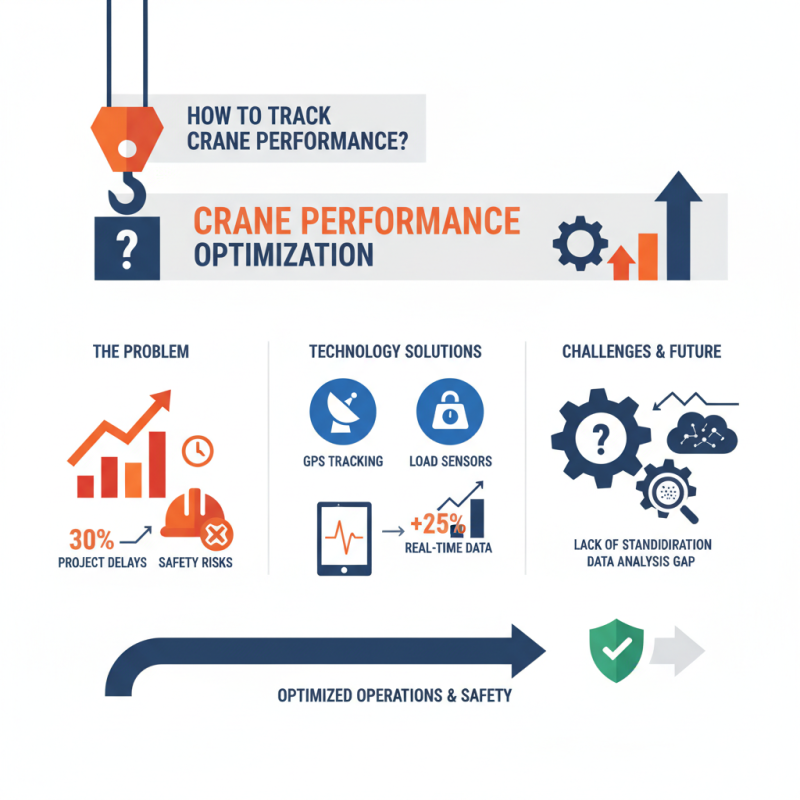
Tracking crane performance is crucial for improving operational efficiency in the construction and logistics sectors. Recent reports indicate that cranes account for over 30% of construction project delays. The ability to track crane performance helps mitigate these delays and enhances safety. Companies utilizing technology to monitor crane operations have seen productivity increases of up to 25%.
To effectively track cranes, data collection methods must be robust. GPS systems and load sensors provide valuable real-time information. Industry leaders stress that real-time tracking helps identify inefficiencies. Operators can then adjust their strategies for better performance, ultimately reducing costs associated with downtime.
Despite advancements in technology, many challenges remain. For example, a lack of standardization in tracking systems can lead to inconsistent data. Moreover, many organizations struggle to analyze the data effectively to derive actionable insights. As construction projects become more complex, the need to track crane operations efficiently is more critical than ever. Only through consistent tracking can companies ensure optimized performance and safety.
Understanding Crane Performance Metrics and Key Performance Indicators
Tracking crane performance is vital for optimizing operations in the construction industry. Key performance indicators (KPIs) play a crucial role in this assessment. Metrics such as load capacity utilization, operational hours, and maintenance frequency provide insights into crane efficiency. According to a recent industry report, cranes underperform by as much as 30% due to inadequate tracking of these metrics.
Load capacity utilization is particularly significant. A crane that frequently operates at or near its maximum capacity can indicate effective use. However, if utilization is consistently low, it may suggest operational inefficiencies or scheduling issues. Operational hours also matter. Reports indicate that maximizing productive hours while minimizing downtime can lead to a performance increase of up to 20%. Regularly analyzing these factors can lead to improved decision-making and operational adjustments.
Maintenance frequency is another critical metric. Cranes that require excessive repairs may not be operating optimally. Studies show that proactive maintenance can reduce downtime by 15%. Yet, it’s essential to balance maintenance schedules with operational demand. Over-maintenance may lead to wasted resources but under-maintenance risks safety and increased costs. Evaluating these KPIs can foster more efficient crane operations and ultimately contribute to the success of construction projects.
Crane Performance Metrics
This chart illustrates the efficiency of crane operations based on several key performance metrics over a period of six months. The data points represent the number of operational hours, load capacity utilized, and downtime recorded. These metrics are essential for understanding crane performance and optimizing operations.
Implementing Real-Time Monitoring Systems for Crane Operations
Implementing real-time monitoring systems for crane operations can significantly enhance efficiency and safety. According to a recent industry report, companies using real-time data have reduced operational downtime by up to 30%. Such monitoring systems allow teams to track crane performance continuously. This helps identify issues before they escalate, potentially saving hundreds of thousands of dollars.
To optimize crane usage, focus on collecting critical data points. Monitor load weights, operational speeds, and maintenance needs. This data can inform operators when to perform preventative maintenance. According to the Crane Manufacturers Association of America, proper maintenance can extend a crane's lifespan by 20%.
Tip: Ensure that your monitoring system integrates seamlessly with existing software. This collaboration enhances data accuracy and operational insights.
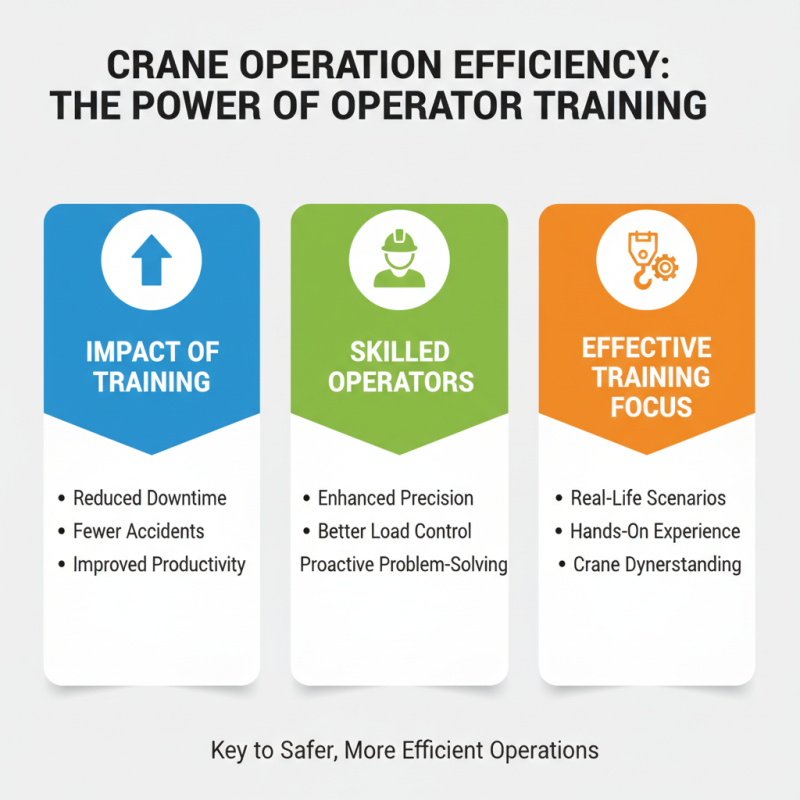
Regularly review the collected data for patterns. Are there unexpected downtimes? Analyzing performance metrics can reveal operational weaknesses that require attention. Don't overlook the human factor; training operators to interpret this data is crucial for maximizing efficiency.
Analyzing Data Trends for Improved Crane Efficiency and Utilization
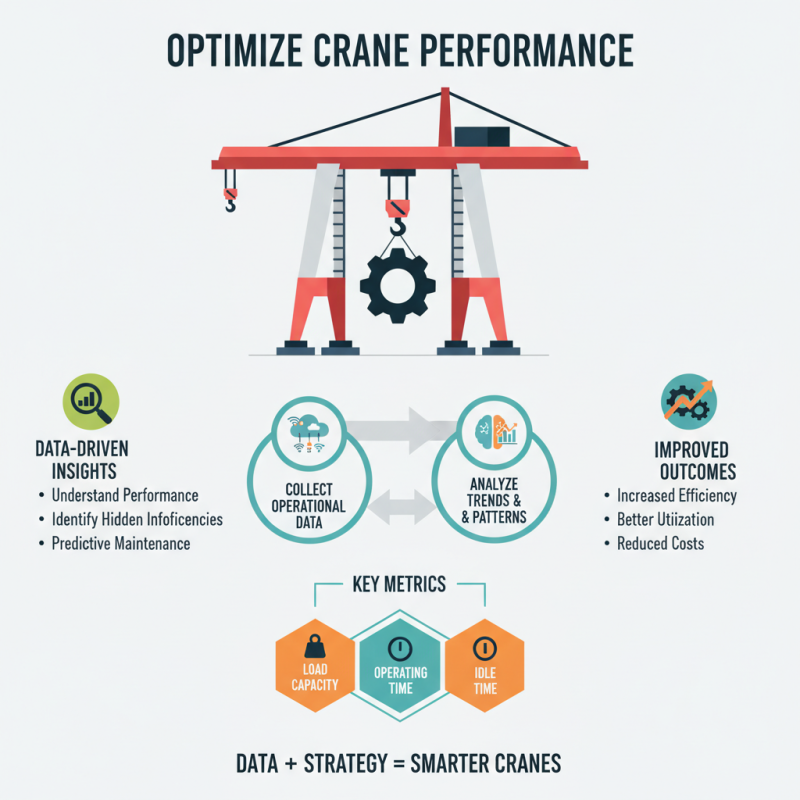
Analyzing data trends is crucial for improving crane efficiency and utilization. It helps operators understand how cranes perform under various conditions. By collecting and analyzing operational data, companies can identify patterns in performance metrics. These metrics may include load capacity, operating time, and idle time. The data can reveal inefficiencies that may not be visible in day-to-day operations.
To make sense of this data, key performance indicators (KPIs) should be established. For example, if a crane frequently sits idle for long periods, it suggests a need for better scheduling or allocation. Patterns often highlight the importance of timely maintenance. Ignoring warning signs can lead to costly downtimes. This analysis must be ongoing; trends shift, and so should the strategies.
Regularly reviewing this data provides insights into operator performance, machine health, and overall productivity. It promotes a culture of accountability and continuous improvement. However, relying solely on data without human oversight may not yield expected results. Operators must interpret data wisely, considering the context of operations. Balancing data-driven decisions with practical expertise leads to more effective crane management.
Establishing Maintenance Protocols to Enhance Crane Performance
Establishing maintenance protocols is crucial for enhancing crane performance. Regular inspections can reveal hidden issues. Technicians should check wire ropes, brakes, and hydraulic systems. Daily inspections can prevent minor problems from escalating. This proactive approach ensures cranes operate smoothly.
Training operators on effective usage is just as important. They must understand load limits and proper rigging techniques. Regular training sessions can boost awareness and reduce risks. Operators need to report any anomalies promptly. This creates a culture of safety and responsibility.
However, not all maintenance checks go as planned. Sometimes issues are overlooked or misdiagnosed. It’s essential to create a feedback loop among technicians and operators. Sharing experiences can lead to better practices. Adapting protocols based on real-world encounters often leads to improved efficiency. Regular audits of maintenance records can highlight areas for improvement. Identifying patterns in breakdowns can refine maintenance strategies over time.
How to Track Crane Performance for Efficient Operations? - Establishing Maintenance Protocols to Enhance Crane Performance
| Crane Model |
Operating Hours |
Load Capacity (ton) |
Last Maintenance Date |
Next Scheduled Maintenance |
Performance Rating (1-5) |
| Model A |
1500 |
50 |
2023-01-15 |
2023-07-15 |
4 |
| Model B |
1200 |
70 |
2023-03-20 |
2023-09-20 |
5 |
| Model C |
800 |
30 |
2023-05-10 |
2023-11-10 |
3 |
| Model D |
900 |
40 |
2023-04-01 |
2023-10-01 |
4 |