What Is a Hydraulic Crane and How Does It Work?
A hydraulic crane is more than a steel boom, a hook, and a powerful engine. It is a lifting system that converts engine power into controlled hydraulic pressure. That pressure moves oil through pumps, valves, hoses, and cylinders. The cylinders extend or retract, moving the boom with steady force. A suspended load may rise slowly, stop precisely, or swing across a work area.
Hydraulic engineer and fluid-power educator Noah D. Manring explains the central advantage clearly: “Hydraulics provides high power density in a compact package.” This principle helps explain why a hydraulic crane can lift heavy materials while remaining relatively mobile. The operator’s controls adjust oil flow and pressure. Counterweights, outriggers, load charts, and safety valves support stability. Small errors matter. A few degrees of boom angle can change the crane’s lifting capacity significantly.
This article examines what a hydraulic crane is and how it works in practical terms. It follows the energy path from the engine to the hydraulic pump, then through the control valves and lifting cylinders. You will also see how telescopic booms, outriggers, and hydraulic motors contribute to movement. The explanation is intentionally grounded in real operating details, such as fluid temperature, hose condition, and uneven ground. It is not a perfect substitute for a manufacturer’s manual or certified training. That limitation matters. Safe crane operation depends on equipment inspections, accurate load calculations, trained operators, and site-specific procedures. Even powerful machines need disciplined judgment.
Hydraulic Cranes: Definition, Purpose, and Main Applications
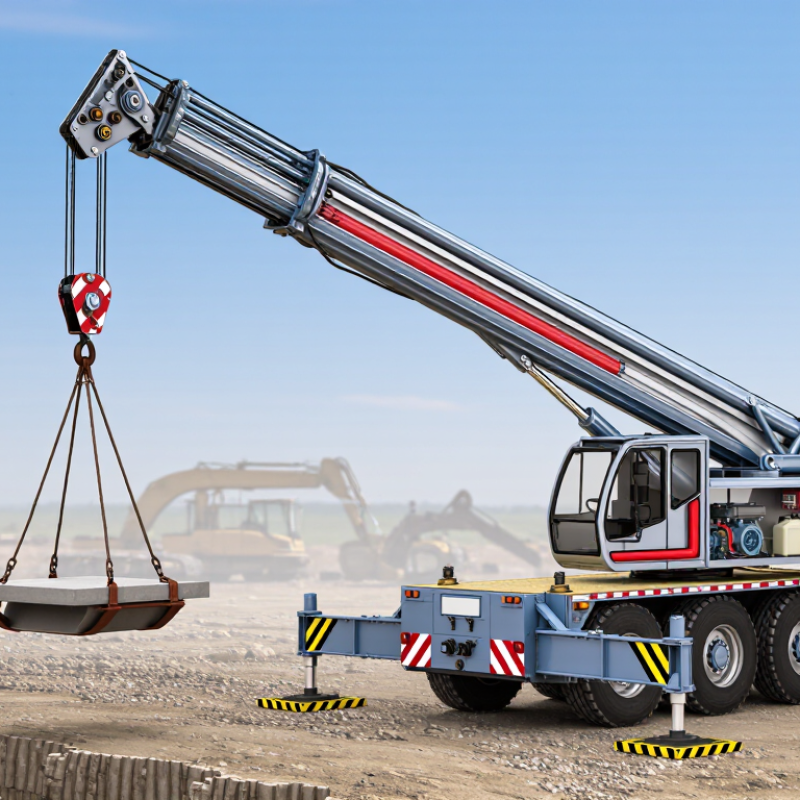
A hydraulic crane uses pressurized fluid to lift, lower, and position heavy loads.
An engine drives a pump, which sends oil through control valves. The oil then moves hydraulic cylinders or motors. Pressure does the lifting. A boom, counterweight, hook, and stabilizers convert that force into controlled movement.
In practical inspections, operators also check hose damage, fluid leaks, ground bearing capacity, and load charts. The neat theory has limits.
Cold oil, uneven soil, wind, and poor setup can reduce stability quickly.
Its main purpose is safe material handling where reach, mobility, and lifting capacity matter. Construction sites use hydraulic cranes for steel frames, concrete panels, and rooftop equipment. Ports and logistics yards use them for containers and machinery. Energy projects depend on larger units for turbines, transformers, and pipeline components.
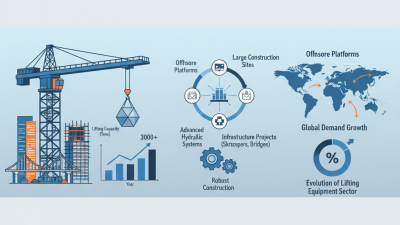
The Global Infrastructure Hub’s Global Infrastructure Outlook estimated that the world would need about 94 trillion dollars in infrastructure investment through 2040, with a potential 15 trillion dollar gap. That demand supports continued crane use, although not every lift requires maximum capacity.
A 2024 market analysis from Research and Markets also identified construction, infrastructure, and energy as major hydraulic crane applications, with industry growth projected at roughly five percent annually. Numbers vary between reports. That uncertainty deserves attention when companies plan fleets, training, and maintenance budgets. A crane may look powerful, but its reliability depends on disciplined operation and verified calculations.
Core Components That Enable Hydraulic Crane Operation
What Is a Hydraulic Crane and How Does It Work?
Core Components That Enable Hydraulic Crane Operation
A hydraulic crane converts fluid pressure into controlled lifting force. Its hydraulic pump draws oil from a reservoir and pushes it through pressurized lines. The operator moves control levers, directing oil through valves toward specific actuators. These valves regulate speed, direction, and pressure during each movement.
Hydraulic cylinders extend or retract when pressurized oil enters their chambers. One cylinder may raise the boom, while another controls telescopic sections or attachments. The boom, hook, winch, and load block transfer this force into practical lifting motion. Reinforced hoses carry oil between stationary and moving parts. Small leaks can reduce performance and create serious slipping hazards.
A relief valve protects the system when pressure rises beyond its safe limit. Filters remove particles that could damage pumps, seals, and valve passages. The chassis, outriggers, and counterweight keep the crane stable under changing loads. Load charts also matter because hydraulic power cannot overcome poor weight estimation. That assumption is risky.
During inspections, technicians check oil condition, hose swelling, cylinder seals, and unusual pump noise. I have seen clean-looking equipment hide contaminated fluid inside a reservoir. Visual checks alone are not enough. Pressure testing and documented maintenance provide stronger evidence of reliable operation. Even experienced operators can overlook ground settlement near an outrigger. Careful setup remains essential.
The Step-by-Step Process of a Hydraulic Crane Lift
What Is a Hydraulic Crane and How Does It Work?
A hydraulic crane converts engine power into controlled lifting force. Its pump pressurizes hydraulic fluid, then valves direct that fluid into cylinders and motors. The cylinders extend the boom or adjust its angle. A hydraulic motor rotates the upper structure, while a winch raises the load through steel rope and a hook.
The lift begins with a site assessment. The operator checks ground strength, overhead hazards, wind, load weight, and the crane’s load chart. Outriggers extend onto steel mats or firm supports, spreading pressure across the ground. This detail matters. The U.S. Bureau of Labor Statistics recorded 1,075 fatal construction industry injuries in 2023, showing why controlled planning remains essential.
Next, the crew inspects slings, shackles, hooks, brakes, and hydraulic hoses. They attach the rigging at approved lifting points and confirm the load’s center of gravity. The operator then raises the load a few inches. This test lift exposes unexpected tilt, loose rigging, or ground movement. The load travels slowly, with one trained signaler giving clear commands. The operator avoids sudden joystick movements because hydraulic pressure can shift the load sharply. In practice, the plan may look cleaner than reality. Wind changes, uneven soil, or a hidden weight difference can force a pause. The lift should stop when communication fails, the load swings, or equipment readings become abnormal. Analysis from the U.S. Occupational Safety and Health Administration emphasizes competent planning, inspections, and safe operating procedures for crane work.
Key Factors Affecting Hydraulic Crane Safety and Performance
What Is a Hydraulic Crane and How Does It Work?
A hydraulic crane uses pressurized fluid to move heavy loads with controlled force. An engine drives a hydraulic pump, which sends oil through valves and hoses. The oil extends cylinders that raise the boom, move the arm, or operate the outriggers. This design provides smooth lifting, but performance depends on more than hydraulic power.
Load weight, boom length, and lifting radius directly affect crane stability. Operators must read the load chart and account for attachments, wind, and suspended movement. Ground conditions also matter. Soft soil can allow an outrigger to sink, even when the crane appears level. Use suitable support pads and check for shifting during the lift. Small leaks matter. A damaged hose may burst under pressure, causing sudden movement. Guards, fittings, and connection points need regular inspection.
Maintenance strongly influences safety and efficiency. Clean hydraulic oil helps protect pumps, valves, and cylinders from internal wear. Heat changes everything. High fluid temperature can reduce viscosity and weaken system response. Cold oil may make movements slow and uneven. Inspectors should check fluid levels, filters, brake systems, limit devices, and structural welds before operation. Field checks often reveal problems that a clean exterior hides. A crane can look ready while its pressure gauge, hose cover, or outrigger lock needs attention. Operators should stop when conditions change, although production pressure sometimes encourages rushed decisions. That habit deserves serious review. Proper training, clear communication, and controlled movements remain essential around every suspended load.