
Sanghvi Crane

What Is a Used Crane and How Much Does It Cost?

Buying a used crane can reduce project costs, but the purchase requires more than comparing online prices. A crane may look clean while hiding worn wire ropes, hydraulic leaks, or fatigue around the boom. Its true value depends on lifting capacity, operating hours, service history, brand, age, and jobsite requirements.

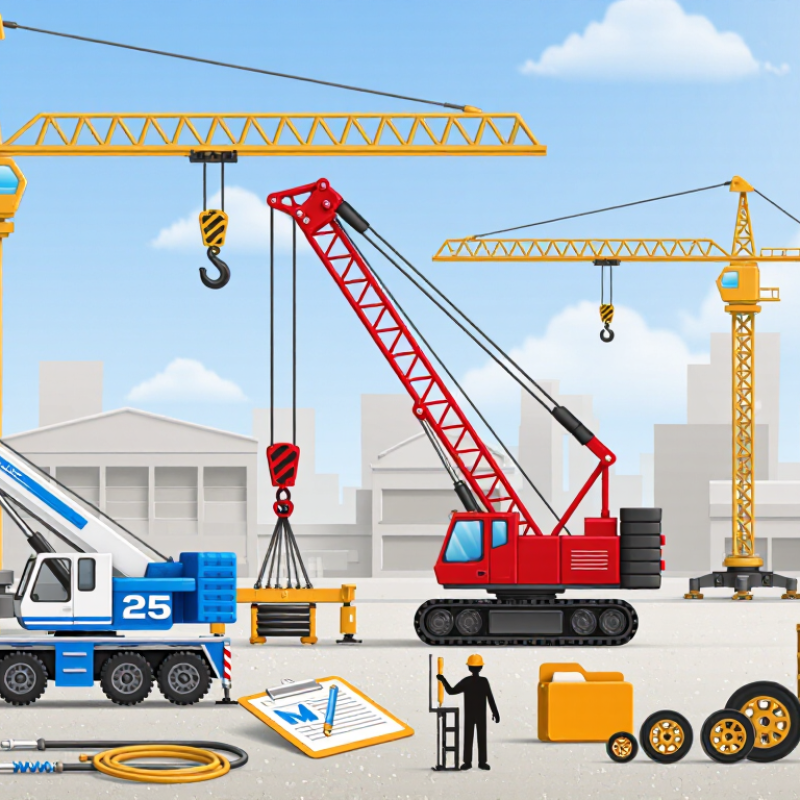
This guide explains what a used crane is and how its price is usually determined. It considers mobile cranes, crawler cranes, tower cranes, and rough-terrain models. Each type serves different projects. A 25-ton mobile crane may suit building maintenance, while a larger crawler crane can handle heavier industrial work. The difference is substantial.

Prices vary widely. A basic older unit might cost tens of thousands of dollars, while a well-maintained heavy crane can exceed several hundred thousand. Transport, inspection, storage, operator training, insurance, and repairs may add significant expenses. These costs are easy to overlook. They should not be.

Reliable purchasing decisions require evidence. Review maintenance records, load charts, inspection reports, ownership documents, and recent operating history. An independent crane inspector can identify problems that photographs miss. Even experienced buyers can misjudge repair costs. That uncertainty deserves attention.

The figures discussed here are practical estimates, not promises. Regional demand, currency changes, equipment availability, and manufacturer support can shift the final price. A cheaper crane may become expensive after delivery and refurbishment. A higher-priced machine may offer better reliability and resale value. Careful comparison matters.
What Is a Used Crane and How Much Does It Cost?

What Is a Used Crane and How Does It Work?

A used crane is a lifting machine that has already worked on construction, industrial, or infrastructure projects. It may be mobile, crawler-mounted, tower-based, or truck-mounted. Its condition depends on operating hours, maintenance records, storage, and previous loads. A low purchase price can hide expensive repairs.

The machine lifts through coordinated systems. An engine or electric motor powers hydraulic pumps, winches, and movement controls. Hydraulic cylinders raise the boom, while wire ropes, sheaves, and hooks transfer lifting force to the load. Counterweights help balance the crane. The operator follows a load chart, which shows safe capacity at different boom lengths and working distances. Small mistakes can reduce stability quickly.

Before purchasing, I would inspect the boom for cracks, check welds, examine the wire rope, and test hydraulic pressure. Oil leaks around cylinders deserve attention. Uneven tire wear or damaged tracks can also reveal hard use. A clean repaint may look reassuring, but it can conceal corrosion. No inspection is perfect. A qualified technician should review maintenance records and perform a controlled load test. Used crane prices vary widely, often from tens of thousands to several hundred thousand dollars, depending on capacity, age, configuration, and service history. Transport, certification, storage, and replacement parts can change the real cost. A crane that runs smoothly today may still need planned maintenance next month.

What Types of Used Cranes Are Available?

Used cranes come in several forms, and each suits a different worksite. Mobile cranes travel on roads and set up quickly beside construction areas. Their telescopic booms handle varied lifting heights, but ground stability still matters.

Truck-mounted cranes offer similar mobility for loading materials, bridge maintenance, and utility work. They usually need less setup time than larger lifting systems.

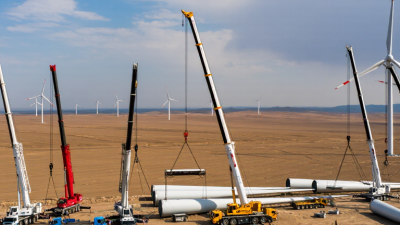
Crawler cranes move on tracks and perform well on soft or uneven ground. Their wide tracks spread weight across a larger area. However, transporting one can add significant cost.

Rough-terrain cranes suit outdoor sites with compact spaces and unfinished surfaces. They often have four-wheel steering and strong lifting capacity.

Tower cranes serve tall building projects, where long horizontal reach is essential. Installation takes more planning, and the site must support the base safely.

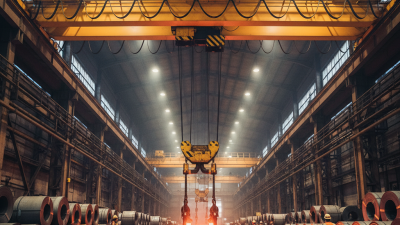
Overhead cranes remain useful inside factories and warehouses, especially for repeated lifting along fixed paths.

A used crane may cost less than a new one, but price alone proves little. Check the load chart, inspection records, operating hours, wire ropes, brakes, and hydraulic leaks.

Small cracks around welds can become expensive problems. Ask an experienced inspector to test the crane under controlled conditions.

A clean appearance can hide neglected maintenance. I would also compare transport, setup, certification, and replacement-part costs before buying.

No inspection catches everything, so leave room for repairs and honest uncertainty.

What Factors Affect the Cost of a Used Crane?

A used crane is a lifting machine that has already worked on construction, industrial, or infrastructure projects. Its price depends on far more than age. Condition matters more than the year on the plate. A ten-year-old crane with detailed service records may cost more than a newer machine with hidden damage.

Capacity is a major cost factor. A 10-ton mobile crane usually costs less than a 100-ton unit because its structure, counterweights, and transport needs are smaller. Working hours also matter. High operating hours can indicate wear in the engine, hydraulic system, boom, brakes, and wire ropes. Replacing these parts can quickly change the real purchase price.

Inspection quality affects value directly. A qualified inspector should check welds, leaks, load charts, safety devices, tires, and control response. Missing maintenance records should reduce confidence and price. Location adds expenses too. A crane stored far from the jobsite may require permits, specialist transport, and assembly labor. Attachments, extra counterweights, and remote controls can increase the final amount.

Market demand changes prices by region and season. Financing terms, insurance, storage, and future repairs also belong in the budget. I would not trust a clean appearance alone. Paint can hide corrosion. I once underestimated transport costs on a heavy machine, and that mistake changed the buying decision. A careful buyer compares total ownership cost, not only the advertised figure.

What Is a Used Crane and How Much Does It Cost? – What Factors Affect the Cost of a Used Crane?

Used Crane Type Typical Capacity Typical Age Common Applications Typical Used Purchase Price Condition and Configuration Factors Estimated Inspection, Repairs and Delivery Estimated Total Project Budget
Small Truck-Mounted Crane 5–25 short tons 5–15 years Utility work, residential construction, HVAC installation and light material handling. $35,000–$180,000 Price is strongly affected by chassis mileage, boom length, hydraulic condition, maintenance records and roadworthiness. $8,000–$35,000 $43,000–$215,000
Telescopic Rough-Terrain Crane 25–100 short tons 8–20 years Construction sites, industrial maintenance, infrastructure projects and uneven terrain. $100,000–$650,000 Major cost drivers include lifting capacity, boom reach, operating hours, tire condition, four-wheel steering and auxiliary attachments. $20,000–$85,000 $120,000–$735,000
All-Terrain Crane 50–300 short tons 5–18 years Bridge work, power projects, industrial construction and jobs requiring both road travel and off-road access. $400,000–$2,500,000 Axle configuration, road mileage, telescopic boom length, counterweight package, electronic controls and lifting charts have a major effect on value. $50,000–$250,000 $450,000–$2,750,000
Crawler Crane 50–600 short tons 10–30 years Heavy civil construction, wind projects, refinery work and long-duration lifts on prepared sites. $300,000–$3,000,000 Undercarriage wear, crawler shoe condition, boom sections, counterweights, operating hours and transport requirements are key cost factors. $75,000–$400,000 $375,000–$3,400,000
Hydraulic Truck Crane 30–150 short tons 8–25 years General construction, commercial building projects, road work and equipment installation. $90,000–$900,000 Engine hours, transmission condition, boom inspection results, outrigger systems and the availability of replacement parts influence the price. $20,000–$120,000 $110,000–$1,020,000
Tower Crane 4–20 short tons 5–20 years High-rise buildings, large commercial developments and projects requiring high hook height and long horizontal reach. $100,000–$800,000 Mast height, jib length, climbing equipment, load moment capacity, dismantling requirements and electrical controls affect the purchase price. $50,000–$250,000 $150,000–$1,050,000
Overhead Bridge Crane 2–100 short tons 10–30 years Factories, warehouses, fabrication shops and maintenance facilities. $15,000–$300,000 Runway length, span, lifting speed, electrical controls, building compatibility and the condition of end trucks and wire rope are important. $10,000–$100,000 $25,000–$400,000
Electric Hoist or Monorail Crane 1–20 short tons 5–25 years Workshops, production lines, warehouses and localized material-handling operations. $5,000–$90,000 Motor condition, duty classification, lift height, trolley type, controls, available power and mounting requirements influence cost. $3,000–$30,000 $8,000–$120,000

Pricing reference: The figures are broad estimated ranges in U.S. dollars for used equipment in the North American market. Actual costs vary according to geographic location, machine condition, operating hours, inspection history, attachments, taxes, import duties, permits, transport distance and required installation work. A professional inspection and review of the crane’s load charts, maintenance records and structural condition should be completed before purchase.

How Much Does a Used Crane Typically Cost?

A used crane is lifting equipment sold after previous service, inspection, and operation. Its price depends on capacity, design, age, condition, and maintenance history. A small mobile crane may cost between $40,000 and $150,000. Larger crawler or rough-terrain cranes often range from $150,000 to over $1 million.

Very few deals are simple. A crane with 50 tons of capacity may look affordable, but worn wire ropes, damaged tires, or outdated controls can quickly increase ownership costs. Buyers should budget for transportation, inspection, insurance, replacement parts, and possible repairs. These extra expenses may add 10% to 25% above the purchase price. The actual percentage varies by machine condition and location.

From practical equipment evaluations, service records usually matter more than a fresh paint finish. Check load charts, hydraulic cylinders, brakes, structural welds, and hour-meter accuracy. An independent technician should perform a documented inspection before payment. That step can reveal problems hidden during a short demonstration. A reasonable used-crane budget might therefore be $60,000 for a compact machine or $300,000 for a stronger industrial unit. These figures are useful guides, not promises. Market listings change, and some estimates remain imperfect. A low price deserves careful questions, not quick excitement.

What Should Buyers Check Before Purchasing a Used Crane?

A used crane can reduce capital costs, but its price tells only part of the story. EquipmentWatch market data shows that used equipment values depend heavily on age, operating hours, maintenance records, and regional demand. Two cranes with similar lifting capacity may differ by tens of thousands of dollars.

Inspect the main boom for dents, cracks, corrosion, and uneven welds. Check pins, sheaves, wire ropes, hooks, brakes, and hydraulic cylinders. A rope with flattened strands is not a small detail. It may indicate severe fatigue. Review daily inspection logs and repair invoices. OSHA inspection requirements and ASME B30.5 guidance provide useful benchmarks for mobile crane checks. However, paperwork can be incomplete. That is common. Ask an independent qualified inspector to perform load, function, and structural tests before payment.

Tips: Compare the crane’s actual configuration with its load chart. Outriggers, counterweights, boom length, and attachments can change capacity. Confirm the serial number, manufacturing year, operating hours, and inspection history. Request an oil analysis when possible. It can reveal metal particles or coolant contamination before failure becomes visible. The 2024 Global Lifting Awareness Forum reports continue to identify poor planning and inadequate inspection as major lifting risks. A cheaper crane may create higher costs through transport, repairs, certification, and downtime. I would leave room for those costs in the budget. Even experienced buyers miss hidden wear.

What Is a Used Crane and How Much Does It Cost?

A used crane is previously owned lifting equipment sold for continued industrial, construction, or material-handling use. The estimates below show typical purchase-price ranges by rated lifting capacity in the used market.

Buyer reminder: Before purchasing, verify the crane’s rated capacity, maintenance records, operating hours, structural condition, wire ropes, hooks, brakes, hydraulics, electrical systems, safety devices, inspection certificates, and availability of replacement parts. Actual prices vary with age, configuration, condition, operating environment, transport costs, and inspection results.

Scroll to Top